
Buy Lasix Online in Singapore – Fast, Secure Ordering and Delivery
- Home/
- Buy Lasix Online in Singapore – Fast, Secure Ordering and Delivery
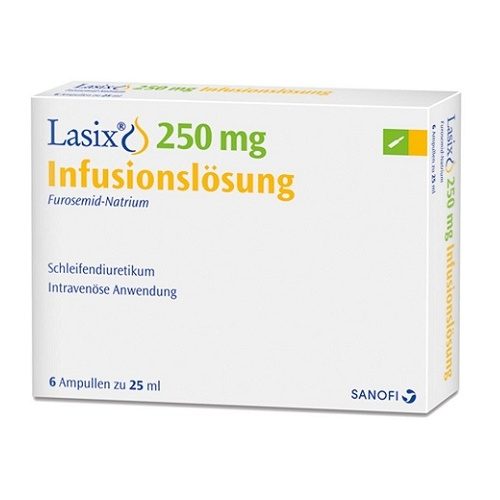
Lasix (Furosemide) in Singapore: The Definitive Guide for Safe, Legal, and Effective Use
Can You Buy Lasix Without Prescription in Singapore?
No, it is illegal to buy Lasix without a prescription in Singapore. Lasix (furosemide) is classified as a prescription-only medication by the Health Sciences Authority (HSA) of Singapore. Purchasing or supplying Lasix without a valid doctor’s prescription is against local law and may carry criminal penalties, including fines or imprisonment. There are no legitimate ways to order Lasix online without a doctor’s consultation in Singapore.
Summary: Key Facts About Lasix in Singapore
- Active Ingredient: Furosemide (loop diuretic)
- Primary Use: Treatment of edema (fluid retention), heart failure, liver/kidney disease, and hypertension
- Prescription Needed? Yes — required by law in Singapore (Lasix without prescription is illegal and unsafe)
- Typical Adult Dose: 20–80 mg daily, adjusted per patient
- Onset of Action: 30–60 minutes after oral dose
- Duration: 6–8 hours (tablet), shorter for injections
- Price Range: SGD $0.30–$1.20 per tablet in Singapore pharmacies (as of 2026)
- Availability: Widely available in all major Singapore cities, including via licensed telemedicine services (Lasix online with legal prescription)
What is Lasix and What Conditions Does It Treat?
Lasix is the brand name for furosemide, a potent loop diuretic used to treat fluid overload (edema) due to heart failure, chronic kidney disease, liver cirrhosis, and some cases of hypertension in adults and children. In Singapore, Lasix is prescribed under strict guidelines, as improper use can cause serious complications.
Lasix helps remove excess water and salt from the body by increasing urine production. Doctors may prescribe Lasix if you have swelling in your legs or lungs, or if your blood pressure is not well controlled by other medications. It is sometimes used short-term to manage acute fluid retention, such as after surgery or during hospital admissions.
Empathy note: “If you or someone you care for is struggling with fluid retention, know that you are not alone. Edema is a common condition, and with proper medical care, it is very manageable.”
How Does Lasix Work? (Mechanism of Action Explained)
Scientific explanation: Lasix (furosemide) acts primarily at the thick ascending limb of the loop of Henle in the kidney. It inhibits the Na⁺-K⁺-2Cl⁻ symporter (sodium-potassium-chloride cotransporter), blocking the reabsorption of sodium and chloride ions back into the blood. As a result, more sodium, chloride, and water are excreted in urine.
The net effect is reduced fluid volume in blood vessels and tissues, lowering blood pressure and alleviating swelling. The effect is dose-dependent and can be influenced by kidney and liver function.
Metaphor: Imagine your kidneys as a sieve. Lasix widens the mesh, letting more water and salt pass through — resulting in more urine and less swelling.
Unlike thiazide diuretics, Lasix works even when kidney function is moderately impaired, but not if the kidneys have completely failed (anuria).
Expert Commentary from doctor
As a specialist, I often remind patients that Lasix is powerful, but must be used carefully. Many people believe “more urine equals better health,” but aggressive diuresis can lead to dangerous drops in blood pressure or electrolyte imbalances. In my practice in Singapore, I see patients unintentionally overusing Lasix to try to “dry out” faster, only to end up dizzy or fainting from dehydration. It is vital to follow the doctor’s instructions precisely, and to monitor blood pressure, kidney function, and electrolytes regularly during treatment. Never adjust the dose on your own, even if you feel improvement. For best outcomes, always combine Lasix use with dietary changes and ongoing specialist follow-up.
How Should Lasix Be Taken? Dosage, Duration, and Practical Instructions
| Indication | Starting Dose (Adult) | Maximum Dose |
|---|---|---|
| Edema (swelling) | 20–40 mg once daily | 600 mg/day (rare cases, hospital only) |
| Hypertension | 20–40 mg twice daily | 80 mg/day (outpatient) |
| Acute pulmonary edema | 40 mg IV/IM, may repeat | 200 mg IV (hospitalised patients) |
- Take Lasix in the morning to avoid sleep disruption from frequent urination at night.
- Tablets may be split if scored (check packaging); not all generics are splittable.
- Duration depends on your underlying condition — some need short-term, others long-term therapy.
- Never exceed the prescribed dose. Overdose can cause dehydration, low blood pressure, or kidney injury.
- Missed a dose? Take it as soon as possible, unless it’s close to your next dose. Never double the dose.
Food, Alcohol, and Lifestyle: What Interacts with Lasix?
- Food
- Lasix can be taken with or without food. Fatty meals may delay absorption by 30–60 minutes, but do not significantly reduce its effectiveness.
- Salt Intake
- Excessive salt reduces the drug’s effectiveness. Your doctor may advise a low-sodium diet.
- Alcohol
- Combining Lasix with alcohol can increase risk of dizziness and fainting due to rapid drops in blood pressure. Limit alcohol to no more than 1 standard drink/day if approved by your physician, or avoid entirely during initiation.
- Grapefruit Juice
- No clinically significant interactions reported for Lasix, unlike some other medications.
- Caffeine
- Excess caffeine may enhance dehydration — consume in moderation.
Stay well-hydrated, but do not “replace” fluids aggressively unless instructed by your doctor. Overcorrection can worsen your underlying condition.
Who Should NOT Take Lasix? Contraindications and Cautions
- Allergy to furosemide or sulphonamides
- Anuria (complete absence of urine output)
- Severe hypokalemia (very low potassium)
- Severe hyponatremia (very low sodium)
- Hepatic coma or pre-coma
- Pregnant women in first trimester, unless essential (risk-benefit must be assessed)
- Severe kidney or liver impairment
- Gout or history of uric acid stones
- Diabetes mellitus (risk of blood sugar fluctuations)
- Low blood pressure (<90/60 mmHg)
- Concurrent use of nephrotoxic or ototoxic drugs (e.g., aminoglycosides, cisplatin)
Important: Always tell your doctor about all medications and supplements you are taking. Lasix interacts with NSAIDs, lithium, digoxin, corticosteroids, and some antibiotics.
What Side Effects Are Most Common with Lasix?
| Frequency | Side Effect | Explanation / Mechanism |
|---|---|---|
| Very Common (>1 in 10) |
Increased urination, electrolyte imbalance (low potassium, sodium) | Due to increased excretion by kidneys |
| Common (1–10 in 100) |
Dizziness, low blood pressure, dehydration, muscle cramps | Fluid and salt loss reduces blood volume |
| Rare (1–10 in 10,000) |
Hearing problems (ototoxicity), rash, gout attacks | High doses or rapid IV administration |
| Very Rare (<1 in 10,000) |
Severe allergic reaction (anaphylaxis), pancreatitis, kidney failure | Idiosyncratic or dose-dependent |
- If you experience muscle weakness, extreme thirst, hearing changes, or confusion, seek medical help immediately.
- Routine blood tests are needed to monitor potassium, sodium, kidney function, and blood pressure during long-term therapy.
- Lasix may rarely cause photosensitivity — use sunscreen if you spend much time outdoors.
Compatibility Check: What Can and Cannot Be Combined with Lasix?
| Product/Drug | Can Combine? | Potential Consequences |
|---|---|---|
| Paracetamol | Yes | No significant interaction |
| Aspirin/NSAIDs | With caution | May reduce Lasix’s effectiveness, risk kidney stress |
| Lithium | NO | Toxicity risk — avoid combination |
| Digoxin | With caution | Low potassium increases digoxin toxicity risk |
| Potassium supplements | Often needed | Prevents dangerous hypokalemia |
| Alcohol | Best avoided | Increased risk of fainting, falls |
| Other diuretics | Sometimes | Enhanced effect but higher risk of electrolyte loss |
Common Patient Mistakes Observed by doctor
- Taking Lasix late in the day: Causes sleep disruption due to frequent urination at night. Tip: Take in the morning unless told otherwise.
- Stopping Lasix abruptly: Sudden withdrawal may cause rapid fluid accumulation and worsening of heart failure or edema. Tip: Always taper under medical supervision.
- Self-adjusting dose based on symptoms: Increasing or skipping doses based on swelling or weight without consulting a doctor leads to dangerous swings in fluid and electrolyte balance.
- Ignoring blood tests: Failing to monitor potassium, sodium, and kidney function increases risk of complications.
- Not informing doctor of all medications: Overlooking potential drug interactions, especially with NSAIDs or antibiotics.
- Believing “Lasix alone will cure the problem”: Ignoring underlying causes (e.g., heart disease) and skipping other treatments.
How to avoid: Take Lasix only as prescribed, never skip follow-up appointments, and always communicate openly with your medical team.
Lasix vs Alternatives: How Does It Compare?
| Medicine (Active Ingredient) |
Onset Time | Duration | Common Side Effects | Typical Price (SGD, per tablet) |
Notes |
|---|---|---|---|---|---|
| Lasix (Furosemide) |
30–60 min | 6–8 hrs | Low potassium, dehydration | 0.30–1.20 | Effective in moderate kidney dysfunction |
| Bumetanide (Burinex) |
20–40 min | 4–6 hrs | Similar to Lasix | 1.10–2.00 | More potent per mg, shorter action |
| Hydrochlorothiazide (Generic) |
1–2 hrs | 12–24 hrs | Hypokalemia, mild dehydration | 0.20–0.70 | Less effective in advanced kidney disease |
| Spironolactone (Aldactone) |
2–4 hrs | 24–72 hrs | High potassium, hormonal effects | 0.60–2.00 | Potassium-sparing, often combined |
Bottom line: Lasix is often chosen for rapid relief of fluid overload, especially in patients with kidney or heart disease in Singapore. Alternatives may be preferred depending on kidney function, risk of low potassium, or need for long-term therapy.
How Is Lasix Metabolised and Eliminated? (Pharmacokinetics Simplified)
- Absorption: After oral administration, Lasix is moderately well-absorbed (about 60–70%) in healthy adults. Food may slow but does not significantly affect total absorption.
- Distribution: Highly protein-bound (~95%), circulates in blood plasma.
- Metabolism: Minimal liver metabolism; majority excreted unchanged.
- Elimination: Eliminated primarily via the kidneys (renal excretion); small amount via bile.
- Half-life (T1/2): About 1–2 hours in healthy adults (may be prolonged in kidney disease).
Clinical tip: Patients with severe kidney or liver impairment may retain Lasix longer, increasing risk of toxicity. Dose adjustments or alternative medications may be needed.
Special Populations: Elderly, Chronic Illness, Fertility, and Driving
- Elderly: Start with the lowest effective dose. Higher risk of dehydration, electrolyte imbalance, and falls.
- Children: Dosing must be calculated per kg and closely monitored; only use under specialist care.
- Pregnancy: Use only if essential and under specialist supervision. Not recommended in first trimester.
- Breastfeeding: Lasix passes into breast milk and may reduce milk supply. Avoid unless directed by your doctor.
- Fertility: No proven negative effect on fertility in humans at therapeutic doses, but dehydration and electrolyte imbalance may impact reproductive health if not monitored.
- Driving/Operating Machinery: Caution is advised, especially during initiation or dose changes — dizziness and sudden drops in blood pressure are possible.
Original vs Generic Lasix: Cost, Quality, and Safety in Singapore
Original Lasix (branded by Sanofi) and generic furosemide are both approved by Singapore’s HSA. Generics contain the same active ingredient and must demonstrate “bioequivalence” — meaning they work the same way in the body. Differences may exist in excipients (inactive components) that could rarely cause allergies in sensitive individuals.
- Price: Generics are usually more affordable, costing 30–50% less per tablet. Many Singaporeans safely purchase Lasix as a generic via registered pharmacies.
- Quality: All legal generics in Singapore must meet HSA standards for quality, purity, and safety.
- Packaging: Branded Lasix comes in distinct white and yellow blister packs; generics may differ in colour or markings but must include HSA registration markings.
- Generics myth: The belief that generics are “weaker” is not supported by clinical evidence if purchased from a licensed Singapore pharmacy.
How To Obtain Lasix Legally in Singapore: Step-by-Step Guide
- Consult a doctor: Book an appointment with a general practitioner, internal medicine, or nephrology specialist. Telemedicine (video consultation) is legal and widely used in Singapore.
- Assessment: The doctor will take your history, examine you (virtually or in-person), and may order blood/urine tests.
- Prescription: If appropriate, you will receive an electronic or physical prescription. This is required to buy Lasix in any pharmacy or order Lasix online through licensed e-pharmacies.
- Purchase from a licensed pharmacy: Present your prescription at a physical or online pharmacy registered with HSA. Avoid unverified websites claiming to offer Lasix without prescription.
- Follow-up: Regular monitoring is essential. Arrange follow-up appointments as advised.
Quick Insight: “Lasix cheap” offers online from websites not requiring a prescription are almost always illegal and risky in Singapore. Legal telemedicine offers a safe, streamlined way to get genuine Lasix delivered to your door.
How To Spot Counterfeit Lasix in Singapore
- Packaging: Genuine Lasix has crisp printing, batch numbers, expiry dates, and HSA registration code. Blisters are uniform with no spelling errors.
- Markings: Tablets are white, round, and engraved with the manufacturer’s code (e.g., “Lasix 40”). Some packs include QR codes or holograms.
- Price too good to be true? Unusually low prices or “Lasix cheap” offers online are a red flag for counterfeits.
- Source: Only purchase from licensed Singapore pharmacies or telemedicine platforms. If unsure, verify the pharmacy’s license with the HSA.
- Generics: Registered generics will have different markings but must match their packaging, include manufacturer details, and have an HSA registration number.
What To Do in Case of Overdose: Emergency Steps
- Stop taking Lasix immediately.
- Call 995 (emergency ambulance) or proceed to the nearest hospital in Singapore.
- Inform the attending doctor about the exact dose and time taken.
- If possible, bring the medication packaging or prescription with you.
- Symptoms of overdose: severe dizziness, fainting, rapid dehydration, confusion, abnormal heart rhythms, or hearing changes.
- Do not attempt to “wait it out” or self-treat at home — prompt medical attention is essential.
Professional Opinion of doctor
In my years of practice, I’ve seen Lasix bring rapid relief to patients struggling with severe fluid overload, especially those with heart or kidney problems. It is most beneficial when used as part of a comprehensive, monitored treatment plan. However, the risks of dehydration, electrolyte imbalance, and sudden blood pressure drops mean that it’s not suitable for everyone. In patients with unstable kidney function, certain thiazide diuretics or combination regimens may be safer. I always stress that Lasix is not a cure for the underlying disease; it helps control symptoms so the primary condition can be managed more effectively. For those considering to purchase Lasix in Singapore, I recommend open dialogue with your care team and strict adherence to medical advice. Bottom line: with proper use, Lasix can be life-changing — but only with medical supervision.
How To Find a Qualified Edema Specialist in Singapore
- National University Hospital (NUH) — Division of Renal Medicine and Cardiology offer multidisciplinary care for fluid disorders.
- Singapore General Hospital (SGH) — Renal Medicine and Heart Centre have established edema clinics.
- Private options: Gleneagles Hospital, Mount Elizabeth Novena, and Parkway East have board-certified nephrologists and cardiologists.
- Telemedicine: For initial assessment and prescription, many Singapore-licensed telehealth providers (WhiteCoat, Doctor Anywhere) can connect you with senior specialists.
Choose a physician with expertise in internal medicine, nephrology, or cardiology. Always verify their Singapore Medical Council (SMC) registration. A multidisciplinary team approach yields the best long-term results.
Questions Frequently Asked to doctor
- Can I take Lasix every day for swelling?
- Only if your doctor recommends it. Daily use may be appropriate for chronic conditions but requires ongoing monitoring of kidney function and electrolytes.
- What should I do if I miss a dose?
- Take it as soon as you remember, unless it’s almost time for your next dose. Never take a double dose to make up for a missed one — this could cause dangerous dehydration.
- Is it safe to combine Lasix with blood pressure medications?
- Often yes, but combinations should be tailored by your doctor. Some antihypertensives may increase risk of low blood pressure or kidney side effects when taken with Lasix.
- Will I lose too much potassium?
- Lasix can lower potassium levels. Your doctor may prescribe supplements or recommend foods rich in potassium, and will monitor your blood tests to adjust treatment as needed.
- Can Lasix be used in elderly patients?
- Yes, but with extra care. The elderly are more prone to side effects like dehydration and low blood pressure. Dose adjustments and close monitoring are essential.
- Can I drink alcohol while taking Lasix?
- It’s safest to avoid alcohol, especially when starting Lasix. Alcohol can worsen dizziness and dehydration. If permitted at all, keep intake minimal and discuss with your doctor.
- How do I know if Lasix is working?
- You should notice reduced swelling, less shortness of breath, and possible weight loss due to fluid reduction. Your doctor will confirm improvement with physical exams and lab tests.
Key Characteristics Table: Lasix (Furosemide)
| Parameter | Value |
|---|---|
| Active Ingredient | Furosemide |
| Prescription Status (Singapore) | Prescription-only |
| Tablet Strengths | 20 mg, 40 mg, 500 mg |
| Onset (oral) | 30–60 minutes |
| Duration (oral) | 6–8 hours |
| Protein Binding | ~95% |
| Half-life (T1/2) | 1–2 hours |
| Main Uses | Edema, heart failure, hypertension |
| Price per tablet (SGD) | 0.30–1.20 (generic); 0.80–1.50 (brand) |
FAQ: Lasix in Singapore
- Is it possible to buy Lasix online in Singapore?
- Yes, but only through licensed e-pharmacies or telemedicine providers, and you must have a legal prescription from a Singapore-registered doctor.
- Can I order Lasix without prescription?
- No, obtaining Lasix without a prescription is illegal in Singapore and can result in health risks and legal penalties.
- Where can I purchase Lasix affordably?
- You can purchase Lasix at most chain and independent pharmacies in Singapore with a prescription; generics are typically more affordable.
- How much does Lasix cost in Singapore?
- Generic Lasix (furosemide) costs SGD $0.30–$1.20 per tablet. Branded versions are more expensive. Prices may vary by pharmacy.
- What are the risks of buying Lasix from unlicensed online sources?
- You risk receiving counterfeit, unsafe, or ineffective medication, and may face customs seizure or prosecution. Only buy from licensed Singapore providers.
- Is Lasix covered by insurance or Medisave?
- Lasix may be covered by employer insurance or Medisave if prescribed for hospital admissions or certain chronic conditions. Outpatient coverage depends on your plan.
- Can Lasix be used long-term?
- Yes, but only under close medical supervision with regular blood tests and monitoring for side effects.
- What are the alternatives to Lasix?
- Alternatives include bumetanide, hydrochlorothiazide, and spironolactone. The best choice depends on your underlying condition and doctor’s recommendation.
- How do I report side effects or suspected counterfeit medication?
- Report side effects to your doctor or the Health Sciences Authority (HSA). Suspected counterfeit products can be reported to the HSA via their official website.
Sources / References
- Health Sciences Authority Singapore – https://www.hsa.gov.sg/
- Lasix [Package Insert]. Sanofi Singapore, 2026.
- National University Hospital Singapore – Department of Renal Medicine – https://www.nuh.com.sg/
- Singapore General Hospital – Heart Centre – https://www.sgh.com.sg/
- FDA Drug Database – Furosemide – https://www.accessdata.fda.gov
- World Health Organization (WHO) – Model List of Essential Medicines – https://www.who.int/medicines/
- PubMed – Furosemide safety and efficacy studies – https://pubmed.ncbi.nlm.nih.gov/
- Mayo Clinic – Furosemide Information – https://www.mayoclinic.org/drugs-supplements/furosemide-oral-route/
- Clinical Practice Guidelines – Ministry of Health Singapore – https://www.moh.gov.sg/