
Buy Antabuse at Low Price in Singapore Online
- Home/
- Buy Antabuse at Low Price in Singapore Online
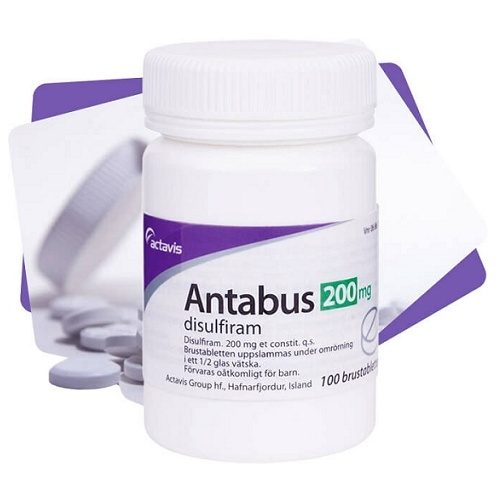
| Brand Name | Antabuse |
|---|---|
| Main Compound | Disulfiram |
| Intended Use | Treatment of Alcohol Dependence |
| Strengths Offered | 200 mg, 400 mg tablets |
| How Quickly It Works | Effects begin within 1-2 hours after ingestion |
| Duration of Action | Up to 1 week after last dose |
| Usual Administration Pattern | Once daily |
| Prescription Regulations in Singapore | Prescription required (by HSA standards) |
| Typical Price in Singapore | Approx. SGD 2 – 4 per tablet (varies by supplier and package size) |
Antabuse for Alcohol Dependence: What to Know in Singapore
Antabuse, with the active component Disulfiram, is an established treatment for alcohol dependence. It is legally regulated and available in Singapore through medical prescription. Understanding how Antabuse works, who it suits, and the practical steps to access it can clarify the decision-making process for anyone considering this option.
Alcohol Dependence in Singapore: You Are Not Alone
Alcohol dependence is a medical condition that affects people across all backgrounds, and seeking help is an important step. According to the Singapore Ministry of Health, alcohol use disorders accounted for 1.5% of all mental health diagnoses in Singapore’s public hospitals in 2020 (MOH Singapore, 2020). Globally, the World Health Organization reported that over 107 million people were living with alcohol use disorders in 2019 (WHO, 2019). Having the urge to stop drinking but finding it difficult is a recognized, treatable problem—not a personal failing. Treatment options like Antabuse exist precisely because medical science acknowledges that overcoming alcohol dependence often requires more than willpower alone. In Singapore, support is available, and recovery is a realistic goal.
How Antabuse Helps: The Biology Behind the Solution
Antabuse targets alcohol dependence by creating a physiological response that discourages drinking. Disulfiram, its main ingredient, works by blocking the enzyme aldehyde dehydrogenase in your liver. This enzyme normally helps break down alcohol. When it is inhibited, even a small amount of alcohol turns into acetaldehyde—a substance that causes rapid flushing, nausea, palpitations, and other uncomfortable symptoms.
- Mechanism: Stops alcohol breakdown at a critical step.
- Result: Makes drinking alcohol produce rapid, unpleasant sensations.
- Consequence for you: Drinking alcohol while on Antabuse leads to effects strong enough to act as a deterrent, supporting your goal to remain abstinent.
Most people begin to notice Antabuse’s deterrent effect within a couple of hours of taking it, and the sensitivity to alcohol may last up to a week after the last dose. The medication does not reduce cravings directly but provides a “safety net” by making drinking physically unpleasant—helping you resist temptation in real-life situations where alcohol might be present.
Is Antabuse Right for You? Scenarios and Selection
| Your Situation | Is Antabuse Suitable? | Why / Why Not |
|---|---|---|
| You are committed to remaining alcohol-free, with strong support from family or a healthcare team. | Yes | Antabuse works best when you want to avoid alcohol and have support. The deterrent effect can reinforce your decision. |
| You have tried other medications (like naltrexone or acamprosate) but found them ineffective or difficult to tolerate. | Yes | Antabuse operates by a different mechanism and can be a valuable option if other drugs are unsuitable. |
| You have a history of irregular medication use or are at risk of drinking impulsively without supervision. | Possibly, but with caution | Success is higher with close monitoring or supervised dosing. Discuss with your doctor if daily supervision is possible. |
| You have liver dysfunction, heart disease, or are currently intoxicated/withdrawing from alcohol. | No | Antabuse is unsafe in these contexts due to risk of severe side effects. Medical assessment is critical here. |
Choosing Antabuse is not only about the medication itself, but also about your daily context—support systems, health status, and treatment goals. In Singapore, doctors specializing in addiction medicine will take these factors into account during consultation. If you’re considering to buy Antabuse or order Antabuse online, an honest conversation about your needs with a healthcare professional is always recommended.
Practical Use of Antabuse in Everyday Life
- When to start: You must be alcohol-free for at least 12 hours (preferably 24) before taking the first dose, to avoid dangerous reactions.
- How to take: Antabuse is usually taken once daily, in the morning, with or without food. Consistency is important for effectiveness.
- What to avoid: All forms of alcohol—including mouthwash, cough syrups, sauces, and even some topical products—can trigger a reaction. Always check labels.
- If you miss a dose: Take it as soon as you remember, unless it’s nearly time for your next dose. Do not double up to make up for a missed dose. Skipping for more than a couple of days reduces its effectiveness; consult your doctor if you miss several doses.
- If it “doesn’t work”: If you do not experience symptoms after drinking alcohol while on Antabuse, do not increase your dose yourself—this could be dangerous. The absence of a reaction can occur if there was a gap in dosing or individual differences in metabolism. Speak with your doctor to review the situation.
- What’s normal, what’s not: Mild drowsiness, metallic taste, or skin rash are reported by some users and usually resolve on their own. Intense reactions after alcohol exposure are expected and indicate the medicine is working—but if you feel unwell for prolonged periods, seek medical advice.
Integrating Antabuse into your daily routine requires vigilance about hidden alcohol sources. If in doubt, it is safer to double-check than to risk a reaction. For those searching for Antabuse in pharmacy or looking to purchase Antabuse online, be aware that proper education on its use is crucial for safety and success.
Safety Profile: Contraindications, Side Effects, and Interactions
Who Should Not Use Antabuse?
There are specific health conditions where Antabuse is inadvisable due to increased risk. You should not use Antabuse if you:
- Have significant liver disease (because Disulfiram can further stress the liver and cause harm)
- Suffer from severe heart disease or recent heart attack (as reactions can strain the cardiovascular system)
- Are currently intoxicated with alcohol or experiencing alcohol withdrawal (risk of severe acute reactions)
- Have a known allergy to Disulfiram or thiuram derivatives
- Experience psychosis or a history of severe psychiatric illness (may worsen symptoms)
These contraindications are well recognized by the Health Sciences Authority (HSA) of Singapore. In all such cases, safer alternative treatments should be discussed with your physician.
Possible Side Effects: What to Expect and When to Seek Help
Antabuse is generally well tolerated, but all medications carry some risk. Most side effects are mild and transient, but some require prompt attention.
- Frequently reported: Drowsiness, metallic or garlic-like taste, skin rash, mild headache. These often resolve after a few days.
- Less common but important: Liver inflammation (manifested by yellowing eyes/skin, dark urine), peripheral neuropathy (tingling, numbness in hands/feet), allergic reactions (swelling, severe rash).
- After drinking alcohol while on Antabuse: Flushing, nausea, vomiting, chest pain, shortness of breath, rapid heartbeat. These reactions are expected and signal the deterrent effect, but if they become severe (difficulty breathing, chest pain that does not resolve, confusion, or collapse), seek emergency help immediately.
If you or someone around you experiences severe symptoms after using Antabuse, call the Singapore Civil Defence Force emergency number at 995. Prompt action can be life-saving in rare but serious cases.
Drug and Substance Interactions
Antabuse can interact with several other medications and substances:
- Metronidazole or Tinidazole: Combining with these antibiotics can cause confusion, psychosis, and severe reactions.
- Warfarin: Disulfiram can enhance blood thinning, raising bleeding risk. Dose adjustments may be necessary.
- Phenytoin: Levels can rise, causing toxicity.
- Any product containing alcohol: This includes over-the-counter medicines, herbal tinctures, and even some cosmetic products.
Always inform your doctor and pharmacist of all medications, supplements, and over-the-counter products you use before starting Antabuse. Even seemingly harmless products can cause problems when combined unexpectedly.
Is There Something Better? Alternatives and Honest Comparison
| Medication | How it works | Best for | Limitations |
|---|---|---|---|
| Antabuse (Disulfiram) | Creates aversive reaction to alcohol intake | People committed to abstinence, with support | Does not reduce cravings, risk if alcohol is consumed accidentally or intentionally |
| Naltrexone | Blocks reward pathways from alcohol | Those seeking to reduce heavy drinking or prevent relapse | Ineffective for some; contraindicated in liver failure |
| Acamprosate | Stabilizes brain chemistry post-withdrawal | Maintaining abstinence after detox | Requires multiple daily doses, less effective if drinking continues |
| Psychosocial Therapy | Counseling, behavioral interventions | All stages, as either main or supplementary therapy | Relapse risk without pharmacological aid |
Antabuse is the preferred choice when reliable abstinence is the goal and the individual is motivated or has strong external support. If craving control is a higher priority, or if medical contraindications exist, naltrexone or acamprosate may be more appropriate. In Singapore, doctors will often combine medication with therapy for best results, tailoring treatment to each person’s medical history and personal goals.
Obtaining Antabuse in Singapore: Costs, Access, and What to Expect
For those now ready to act, knowing the logistics of how to buy Antabuse in Singapore can remove the last practical barrier. The medication is available by prescription from registered doctors, typically through addiction medicine specialists, psychiatrists, or selected general practitioners. Antabuse in pharmacy settings is not always stocked, so ordering in advance may be necessary. Online purchase options exist, and some platforms offer Antabuse without prescription, but this is not in line with Health Sciences Authority regulations.
You can order Antabuse online from overseas pharmacies, but shipping times and product authenticity can be a concern. For those seeking Antabuse cheap or affordable, prices may vary from SGD 2 to 4 per tablet based on supplier and quantity. Local clinics or hospitals may charge more but provide the assurance of regulated supply and professional oversight. If you want to purchase Antabuse in Singapore, the process usually involves a consultation, prescription issuance, and pharmacy pickup or delivery.
| What you pay for | Amount (SGD) | Notes |
|---|---|---|
| Doctor consultation | 80 – 180 | Specialist or general practitioner; telemedicine often at lower cost |
| Prescription fee | 10 – 25 | May be bundled with consultation |
| Antabuse (Disulfiram) tablets | 60 – 150 (30 tablets) | Varies by dosage and supplier; bulk orders may be more affordable |
| Delivery (optional) | 10 – 30 | Standard or express delivery, if ordered online |
| Total | 160 – 385 | Lowest (telemedicine + online order) to highest (specialist + in-clinic pickup) |
For those prioritizing discreet access or competitive pricing, searching for Antabuse online may yield options—just ensure the supplier is credible. If you are offered Antabuse without prescription, be aware that this bypasses safety checks required in Singapore. While Antabuse cheap options can seem attractive, prioritising authenticity and safety is crucial.
Closing Remaining Questions: What If I Need Ongoing Support?
While Antabuse can be a vital part of recovery, it works best alongside ongoing support—whether from healthcare professionals, support groups, or trusted friends and family. If you find yourself struggling with adherence, side effects, or doubts about the best approach, re-engaging your doctor or an addiction specialist is not a setback, but a positive step toward lasting health. For those in Singapore, resources such as the National Addictions Management Service (NAMS) exist for continued guidance and help.