
Buy Zithromax Online in Singapore – Fast and Easy Ordering
- Home/
- Buy Zithromax Online in Singapore – Fast and Easy Ordering
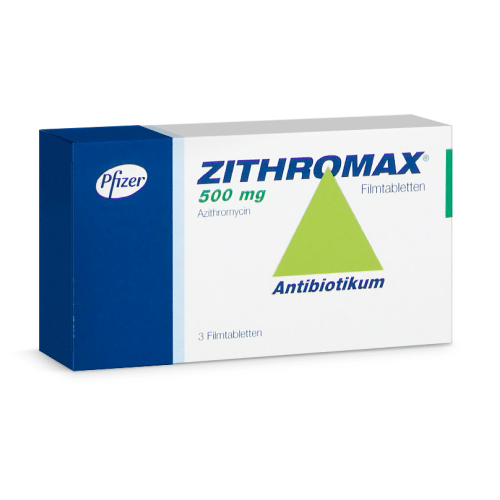
Can I Buy Zithromax Without Prescription in Singapore?
Zithromax (Azithromycin) is a prescription-only medication in Singapore. It is not legal to buy Zithromax without prescription from any licensed pharmacy, including those operating online. Self-medication with antibiotics is strictly discouraged due to public health risks and potential harm.
Key Takeaways: What Every Patient Should Know About Zithromax in Singapore
- Zithromax is an antibiotic used for a range of bacterial infections; it’s not effective against viral illnesses.
- A prescription from a Singapore-registered doctor is required to buy Zithromax in pharmacy or order Zithromax online.
- Most patients experience improvement within 48–72 hours when the infection is sensitive to azithromycin.
- Do not attempt to purchase Zithromax without prescription; improper use can cause resistance and serious side effects.
- If you experience severe allergic reactions, heart rhythm changes, or liver problems, stop Zithromax and seek medical help immediately.
- Consult a doctor if symptoms do not improve within the expected timeframe or worsen during therapy.
How Does Zithromax Work Against Bacterial Infections?
Zithromax contains azithromycin, a macrolide antibiotic that inhibits bacterial protein synthesis by binding to the 50S ribosomal subunit. Specifically, it blocks the translocation step of protein elongation, which disrupts vital bacterial cell functions and leads to cell death or growth arrest (FDA, WHO).
Because of this targeted action, Zithromax is effective against a variety of Gram-positive and some Gram-negative bacteria, including Streptococcus pneumoniae, Haemophilus influenzae, Mycoplasma pneumoniae, and Chlamydia trachomatis. It does not affect viruses.
Simple metaphor: Think of Zithromax as disabling the machinery that bacteria need to produce essential components—much like stopping a factory assembly line. Without this machinery, bacteria cannot survive or multiply.
Why Patients May Misunderstand Zithromax’s Results: A Physician’s View
In my clinical experience, many patients expect antibiotics like Zithromax to provide immediate relief, sometimes within hours of the first dose. This creates frustration when symptoms persist for a day or two, even though Zithromax takes time to reach effective tissue concentrations. Another misconception is that stopping therapy as soon as one feels better is safe—when in reality, this increases the risk of incomplete eradication and resistance. Patients also rarely ask about potential interactions with other medications or how underlying health issues might affect their response, yet these factors can be crucial. It’s important for patients to discuss their full medical history and expectations with their doctor at the outset to ensure safe and effective use.
How Should Zithromax Be Taken? Dosage, Duration, and Practical Instructions
Standard Dosing: For most adult infections, Zithromax is prescribed as 500 mg once daily on day 1, followed by 250 mg once daily for the next 4 days (total 5 days), or as 500 mg once daily for 3 days. The exact regimen depends on the infection type and severity (HSA Singapore).
- Maximum daily dose: 500 mg per day for adults, unless otherwise instructed by your doctor.
- Pediatric adjustments: Dose is weight-based; your child’s doctor will determine the appropriate amount.
- Elderly/renal impairment: No dose adjustment is usually required for mild kidney or liver impairment but always inform your doctor.
Administration tips: Zithromax tablets should be swallowed whole with water, with or without food. Do not split, crush, or chew the tablet unless directed by your doctor, as this can affect absorption.
Duration of effect: Zithromax has a long half-life (about 68 hours), allowing for once-daily dosing and shorter overall treatment courses than many alternatives.
Should I Take Zithromax With Food or Avoid Certain Foods/Drinks?
Zithromax can be taken with or without food. However, taking it with a light meal may reduce stomach upset. High-fat meals can delay absorption but do not reduce effectiveness significantly. Grapefruit juice does not appear to significantly interact, but it is best to avoid excessive amounts.
Alcohol: Moderate alcohol consumption is not contraindicated but may increase gastrointestinal side effects (e.g., nausea), and can impair immune response. It’s advisable to avoid alcohol during antibiotic therapy.
- Key point: Always check with your doctor for individual recommendations if you have liver disease or are taking other medications.
Who Should Not Use Zithromax? Absolute and Relative Contraindications
- Absolute contraindications:
- History of hypersensitivity or allergic reaction to azithromycin, erythromycin, or other macrolide antibiotics.
- Severe liver impairment (child-Pugh class C) due to risk of hepatotoxicity.
- Previous cholestatic jaundice or liver dysfunction associated with prior use of azithromycin.
- Relative contraindications (caution required):
- Pre-existing heart rhythm disorders, especially prolonged QT interval or those on anti-arrhythmic drugs (risk of arrhythmia).
- Severe renal impairment (consult your doctor for dose adjustment).
- Concurrent use of drugs that prolong QT interval (e.g., amiodarone, sotalol, certain antidepressants).
- Patients with myasthenia gravis (may worsen symptoms).
Important: Zithromax should not be restarted for at least 2 weeks after acute hepatitis or jaundice, and only if no other alternatives exist. Always inform your healthcare provider of all medications and supplements you are using.
What Side Effects Are Most Common With Zithromax?
Very common (>1/10):
- Gastrointestinal upset (diarrhoea, nausea, abdominal pain, flatulence)
Common (1/10–1/100):
- Headache
- Vomiting
- Dizziness
- Rash
- Change in liver enzymes (asymptomatic in most cases)
Rare (1/1000–1/10,000) and Very Rare (<1/10,000):
- Serious allergic reactions (anaphylaxis, angioedema)
- Severe skin reactions (Stevens-Johnson syndrome)
- Irregular heart rhythm (QT prolongation, torsades de pointes)
- Hepatitis, acute liver failure
Mechanism behind side effects: Gastrointestinal symptoms result from disruption of normal gut flora and increased intestinal motility. Heart rhythm changes may be due to action on cardiac electrical channels.
What to do: If you experience severe diarrhoea, yellowing of skin/eyes, palpitations, or rash, stop Zithromax and seek medical attention immediately. Mild side effects (nausea, headache) can often be managed with rest and hydration.
Common Patient Mistakes With Zithromax in Singapore—and How to Avoid Them
- Stopping the course early because you feel better: This is one of the most common mistakes and can result in incomplete eradication of the infection, recurrence, and antibiotic resistance. Always finish the prescribed course, even if symptoms resolve early.
- Taking leftover Zithromax from previous illnesses or someone else’s prescription: Inappropriate use increases risk of ineffective treatment, side effects, and resistance. Only take Zithromax that has been prescribed for your current illness by a Singapore-registered doctor.
- Using Zithromax for viral infections (e.g., the common cold): This provides no benefit and contributes to antibiotic resistance. If unsure, consult your doctor before starting any antibiotic.
- Combining with interacting medications without medical advice: Some drugs can increase the risk of heart rhythm problems or liver injury. Always inform your doctor and pharmacist of all medications you are taking.
- Misunderstanding dosage instructions (e.g., missing doses, doubling up): This can reduce effectiveness or increase side effect risk. Take each dose as scheduled; if you miss a dose, take it as soon as possible unless it is almost time for the next dose.
How Does Zithromax Compare to Other Antibiotics in Singapore?
Below is a comparison of Zithromax (Azithromycin) with two common alternatives: Amoxicillin and Clarithromycin. Prices are estimated for Singapore and may vary by pharmacy.
| Parameter | Zithromax (Azithromycin) |
Amoxicillin | Clarithromycin |
|---|---|---|---|
| Typical Dose | 500 mg daily (3–5 days) | 500 mg 3x daily (7–10 days) | 500 mg 2x daily (7–14 days) |
| Onset of Action | 24–48 hours | 24–48 hours | 24–48 hours |
| Common Indications | Respiratory, skin, STIs | Respiratory, ENT, dental | Respiratory, H. pylori, skin |
| Duration of Course | 3–5 days | 7–10 days | 7–14 days |
| Common Side Effects | GI upset, headache | GI upset, rash | GI upset, taste change |
| Price (est. per course, SGD) | $12–$25 | $6–$12 | $18–$35 |
| Prescription Required | Yes | Yes | Yes |
Zithromax’s advantages: Shorter course, convenient once-daily dosing, effective for some resistant organisms. Limitations: Not suitable for all bacterial infections, higher price than some generics. Always consult your doctor to determine the best option for your infection.
Technical Details: Formulations, Pharmacokinetics, and Storage of Zithromax
| Parameter | Value |
|---|---|
| Formulations | Tablets (250 mg, 500 mg), Oral suspension, IV (hospital use) |
| Route of Administration | Oral (mainly), IV for severe cases |
| Bioavailability (oral) | ~37% |
| Time to peak plasma level | 2–3 hours after oral dose |
| Half-life (T1/2) | Approx. 68 hours |
| Metabolism | Liver (mainly unchanged, minimal CYP450 interaction) |
| Elimination | Biliary (main), renal (minor) |
| Storage | Below 30°C; protect from moisture |
Compatibility Checklist: Zithromax With Other Medications and Products
| Medication/Product | Can it be combined? | Consequences |
|---|---|---|
| Paracetamol | Yes | No significant interaction |
| Oral contraceptives | Yes | No reduction in effectiveness |
| Antacids (containing magnesium/aluminum) | With caution | May reduce absorption; take Zithromax at least 1 hour before or 2 hours after antacids |
| Warfarin | Monitor | Risk of increased bleeding; monitor INR closely |
| Amiodarone, Sotalol | STRICTLY NO without doctor’s supervision | Risk of life-threatening arrhythmias |
| Alcohol | Best to avoid | May worsen GI side effects |
| Grapefruit Juice | Generally safe | Not a significant interaction |
Step-by-Step: How to Obtain Zithromax Legally in Singapore
- Schedule a medical consultation with a registered Singapore doctor—either in person or via approved telemedicine services.
- Undergo assessment of your medical history, symptoms, and possible need for antibiotics. The doctor may order relevant tests.
- Receive a prescription if Zithromax is deemed clinically appropriate for your infection.
- Purchase Zithromax at a licensed pharmacy in Singapore by presenting your valid prescription. Some clinics offer in-house dispensing.
- For online ordering, use only Ministry of Health-approved online pharmacy platforms. Upload your prescription as required.
- Follow the exact instructions given by your doctor and pharmacist. Store and use the medication as directed.
Buying Zithromax, Ordering Online, and Prescription Rules: Singapore-Specific Guide
Buy Zithromax: You must present a doctor’s prescription at any licensed pharmacy in Singapore. It is not legal to buy Zithromax without prescription, even through online channels.
Order Zithromax online: Only use MOH-approved services that require prescription upload and verification. Avoid foreign websites that may ship counterfeit or unregistered drugs—customs may confiscate such shipments and you risk criminal penalties.
Purchase Zithromax in pharmacy: Prices vary from S$12–$25 per treatment course, depending on formulation and location. Some clinics include the cost in your visit fee. Zithromax cheap generics are available, but must still be dispensed by a pharmacist with a valid doctor’s order.
How to Identify a Legitimate Online Pharmacy in Singapore
- Check for MOH Accreditation: Licensed online pharmacies will be listed on the Singapore Ministry of Health’s register. Look for the MOH logo and registration number.
- Prescription Verification: Legitimate sites always request a valid prescription from a Singapore doctor. If you are offered Zithromax without prescription, the site is likely unregulated or illegal.
- Secure Payment and Delivery: Official online pharmacies will use secure payment gateways and discreet, trackable shipping.
- Clear Contact Information: Reliable providers display their Singapore physical address and a valid phone number for queries or complaints.
- Warning Signs: Extremely low prices (e.g., “Zithromax cheap” offers) or promises of “Zithromax without prescription” are major red flags for counterfeits or illegal imports.
Spotting Counterfeit or Non-Registered Zithromax: What to Look Out For
- Packaging: The original Zithromax in Singapore usually comes in branded, tamper-evident blister packs with clear font, batch number, and expiry date. Look for the official manufacturer’s logo (Pfizer or Sandoz for generics).
- Security Features: Some packs use holograms or QR codes for authenticity. If present, scan them using your phone or check with your pharmacist.
- Tablet Appearance: Zithromax tablets are typically white or off-white, oval or capsule-shaped, and may have “Pfizer” or other brand engravings. Mismatched colour, shape, or missing branding are warning signs.
- Generics vs. Originals: Registered generics (e.g., Sandoz azithromycin) are equivalent in active ingredient and efficacy but may differ in size, shape, or excipients. Generics must be HSA-approved and dispensed with a pharmacist’s label.
- Price: If a deal seems too good to be true (e.g., Zithromax cheap for less than half the usual price), exercise caution—it may be a counterfeit or unregistered product.
If in doubt, bring your medication to a registered pharmacy for verification.
Pharmacokinetics of Zithromax Explained Simply
Absorption: After oral administration, about 37% of azithromycin is absorbed into the bloodstream. Peak plasma concentration occurs 2–3 hours after ingestion.
Distribution: Zithromax distributes widely into body tissues, particularly respiratory tract, skin, and urogenital tissues, reaching concentrations much higher than in blood.
Metabolism: It is metabolised primarily in the liver, but less than 10% is changed by liver enzymes—a minimal risk for most drug interactions (PubMed).
Elimination: Excreted mostly unchanged via bile into the feces (main route) and to a lesser extent by the kidneys (urine). The elimination half-life is about 68 hours, allowing for once-daily dosing and a short treatment period.
Special Considerations: Zithromax and Unique Patient Groups in Singapore
- Elderly: No specific dose adjustment is typically required, but increased risk of heart rhythm changes exists in those with comorbidities.
- Renal Impairment: No adjustment needed in mild-to-moderate impairment; use with caution if severe.
- Liver Disease: Not recommended in severe hepatic impairment due to risk of accumulation and liver toxicity.
- Pregnancy and Breastfeeding: Zithromax is generally considered safe in pregnancy (category B), but should be used only if benefits clearly outweigh risks. It is excreted in breast milk—discuss risks with your doctor.
- Children: Dose is weight-based; only use oral suspension specifically formulated for pediatric use.
- Driving and Machinery: Zithromax does not cause drowsiness but may cause dizziness or visual disturbances in rare cases. If affected, do not drive or operate machinery.
- Fertility: No known adverse effects on male or female fertility have been reported in humans.
Myth vs Reality: Zithromax in Singapore
- Myth: Zithromax cures all infections.
Reality: It works only for certain bacterial infections confirmed by your doctor. - Myth: You can buy Zithromax without prescription online safely.
Reality: In Singapore, this is illegal and unsafe—you risk receiving counterfeit medication. - Myth: Taking more Zithromax will speed up recovery.
Reality: Exceeding prescribed doses increases risk of side effects and complications without added benefit.
What Should I Do If Zithromax Does Not Work or Symptoms Worsen?
- Contact your doctor if there is no improvement within 48–72 hours or if symptoms worsen. The causative bacteria may be resistant, or another diagnosis may need to be considered.
- Do not self-increase the dose or extend the course without medical advice.
- If you experience serious side effects (e.g., rash, jaundice, palpitations), stop the medication and seek urgent care.
Quality Check: How Should Genuine Zithromax Look in Singapore?
- Tablets: White or off-white, oval, film-coated, engraved with the manufacturer’s logo or code.
- Blister Pack: Tamper-evident, clearly printed batch number and expiry date.
- Box: Contains manufacturer’s name, HSA registration number, and sometimes QR code/hologram for verification.
- Label: Dispensed by a Singapore-licensed pharmacy with your personal dispensing label.
Overdose: What To Do If Too Much Zithromax Is Taken?
- Stop taking Zithromax immediately.
- Call Singapore emergency services at 995 or proceed to the nearest A&E department.
- Inform healthcare professionals about the exact amount and timing of the overdose, as well as any symptoms you are experiencing.
- Do not attempt to induce vomiting unless instructed by medical personnel.
- Bring the medication packaging to the hospital for verification.
Psychological Support: Dealing With Infection and Treatment Stress
It’s common to feel anxious or frustrated when facing an infection that requires antibiotics. Remember, many people in Singapore experience similar concerns, and most infections are manageable with the right treatment. If you’re worried about your health or struggling with adherence, don’t hesitate to discuss your feelings with your doctor or a supportive friend or family member.
Questions Singapore Patients Commonly Ask Their doctor About Zithromax
- How will I know if Zithromax is working for my infection?
In most cases, you should notice improvement in your key symptoms—such as reduced fever, pain, or swelling—within 48–72 hours of starting Zithromax. However, some infections take longer to resolve. If you’re not seeing progress after three days, or if your symptoms worsen, contact your doctor for reassessment. - Can I take Zithromax if I’m already on other long-term medications?
It depends on the specific medications. While Zithromax has fewer drug interactions than many antibiotics, certain heart medications, antacids, and anticoagulants may require monitoring or adjustment. Always provide your doctor and pharmacist with a full list of your medications. - Is it safe to use Zithromax for repeated infections?
While it’s effective for many bacterial infections, frequent use increases the risk of resistance. Your doctor will assess if Zithromax is still appropriate or if alternative therapies should be considered. - What if I miss a dose of Zithromax?
Take the missed dose as soon as you remember, unless it’s almost time for your next scheduled dose—then skip the missed one. Don’t double up to catch up. Consistency is important for effectiveness, so set reminders if needed. - Will taking Zithromax affect my gut health or cause yeast infections?
Some patients experience mild disruption of gut flora, leading to diarrhoea or, rarely, secondary yeast infections. These are usually self-limiting, but let your doctor know if symptoms are severe or persistent. - Is it possible to stop treatment early if I feel completely recovered?
No. Even if symptoms resolve quickly, stopping too soon increases the risk of relapse and resistance. Always complete the prescribed course. - Should I avoid public places while on Zithromax for a respiratory infection?
It’s best to stay home until your fever subsides and you feel better to prevent spreading infection—especially during the first 24–48 hours of antibiotic therapy.
Professional Clinical Assessment by doctor: When Zithromax Is the Right Choice
In my independent clinical assessment, Zithromax is most beneficial for patients with confirmed or strongly suspected infections caused by susceptible organisms—particularly in cases where shorter, once-daily dosing is desirable for adherence, such as respiratory tract infections, some skin and soft tissue infections, and certain sexually transmitted infections. Patients with penicillin allergies or those unable to tolerate longer courses of other antibiotics may also benefit. However, it’s not the best choice for severe infections requiring bactericidal action, or for those with significant liver impairment or complex cardiac histories. In such patients, alternatives with higher tissue penetration or a more favorable cardiac safety profile may be preferable. I also consider local resistance patterns and prior antibiotic exposure before prescribing. Reassessment is warranted if there’s no clinical response within 48–72 hours or if adverse effects arise. Ultimately, therapy should be personalized based on clinical indication, patient factors, and current national guidelines.
FAQ: Zithromax Use, Safety, Pricing, and Prescription Rules in Singapore
- Is Zithromax available for purchase in Singapore without prescription?
- No. Zithromax is a prescription-only medicine in Singapore. It is illegal and unsafe to buy Zithromax without prescription from any local pharmacy or online vendor.
- How much does a course of Zithromax cost in pharmacy in Singapore?
- The typical price for a 3–5 day course ranges from S$12 to S$25, depending on the formulation and pharmacy. Generic versions may be slightly more affordable.
- Can I order Zithromax online in Singapore?
- Yes, but only through MOH-approved online pharmacy services that require a valid prescription from a registered doctor. Avoid websites offering Zithromax online without prescription, as these are illegal and may supply counterfeit drugs.
- How quickly does Zithromax start working?
- Most patients notice symptom improvement within 48–72 hours of starting therapy, provided the infection is sensitive to azithromycin.
- Are there affordable or cheap alternatives to Zithromax?
- Yes, generic azithromycin and other antibiotics (such as amoxicillin or clarithromycin) are available and may be more affordable. Your doctor will determine the most suitable option based on your infection and medical history.
- What are the most serious side effects to watch out for?
- Serious side effects include severe allergic reactions, liver injury (jaundice), and heart rhythm changes. Seek urgent medical attention if you develop rash, yellowing of skin/eyes, palpitations, or severe diarrhoea.
- Can I take Zithromax if I am pregnant or breastfeeding?
- Zithromax is generally considered safe in pregnancy, but should only be used on medical advice. It does pass into breast milk; inform your doctor so risks can be discussed.
- Can I drive or operate machinery while on Zithromax?
- Most people can drive safely. However, if you feel dizzy or have visual disturbances, avoid these activities until you feel well again.
- How should Zithromax be stored at home?
- Store at temperatures below 30°C, away from moisture and sunlight. Keep out of reach of children. Do not use expired medication.
References
- Health Sciences Authority Singapore (HSA). Medicines Information. Accessed 2026. https://www.hsa.gov.sg/
- Ministry of Health Singapore (MOH). Regulations and Licensing. Accessed 2026. https://www.moh.gov.sg/
- US Food and Drug Administration (FDA). Zithromax (Azithromycin) Prescribing Information. Accessed 2026. https://www.fda.gov/
- World Health Organization (WHO). AWaRe Antibiotic Book. Accessed 2026. https://www.who.int/
- PubMed. Azithromycin Clinical Trials and Pharmacokinetics. Accessed 2026. https://pubmed.ncbi.nlm.nih.gov/
- Pfizer. Zithromax Product Information. Accessed 2026. https://www.pfizer.com/