
Buy Clomid Without Prescription Online in Singapore Fast Delivery
- Home/
- Buy Clomid Without Prescription Online in Singapore Fast Delivery
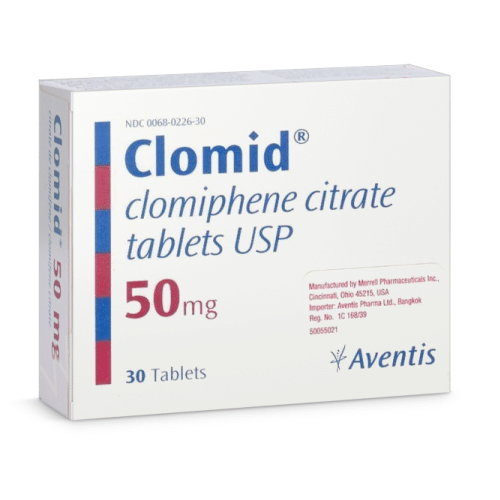
Clomid (clomiphene) is a prescription medication used to help women in Singapore who are struggling to conceive due to ovulatory dysfunction. While it is often the starting point for fertility treatment, the single most important fact is this: Clomid only works if your infertility is related to problems with ovulation—and it’s not right for everyone. Read on to find out what to expect, how to buy Clomid safely in Singapore, and how to decide if it’s the right step for you.
What Clomid Really Means When You’re Facing Female Infertility in Singapore
The first cycle is the hardest. You walk into the clinic, perhaps after a year of silent hopes and negative pregnancy tests, and the doctor mentions Clomid—not as a promise, but as a possibility. In Singapore, this conversation happens every day. But what most women never say out loud is what they’re really wondering: Does taking Clomid change my odds, or is it just another step in a long road?
Clomid is not a magic fix. It’s an evidence-based starting point for many women whose main barrier to pregnancy is irregular or absent ovulation (anovulation). In Singapore, where the average age of first-time mothers is rising and fertility clinics often have waiting lists, Clomid is the medication that bridges “trying naturally” and more complex interventions like assisted reproduction.
What does all this mean for you? If your doctor has suggested Clomid, it’s because your tests suggest your ovaries are not releasing eggs regularly, but your fallopian tubes and your partner’s sperm are likely normal. Clomid is not for every kind of infertility, and it is not always the next step. But when it’s the right choice, it can be transformative—if you know what to expect.
Who Actually Benefits from Clomid—and Who Doesn’t?
If you’re searching for “buy Clomid in Singapore” or “Clomid cheap”, pause for a moment. The only women who truly benefit from Clomid are those with ovulatory infertility—most commonly polycystic ovary syndrome (PCOS) or unexplained anovulation. For other causes of female infertility, such as blocked fallopian tubes, endometriosis, or severe male factor infertility, Clomid is not likely to help.
- Irregular or absent periods: Especially if you rarely ovulate, Clomid may ‘jump-start’ the process by stimulating your ovaries.
- PCOS: The most common reason for using Clomid in Singapore. For many women with PCOS-related infertility, it is the first-line treatment.
- Unexplained anovulation: If tests show you’re not ovulating and no other cause is found, doctors may suggest Clomid.
Who doesn’t benefit? If your tubes are blocked, your partner’s sperm count is very low, or your infertility has another clear reason, Clomid is almost never the answer. Yet, many patients still search for “Clomid without prescription” or “order Clomid online” hoping for a shortcut. The reality: without proper evaluation, you could be wasting precious time—and money—on a medication that cannot help in your specific situation.
Inside Clomid: How Clomiphene Changes the Odds in Female Infertility
Clomiphene, the active ingredient in Clomid, is not a hormone. It’s a selective estrogen receptor modulator (SERM). What does that mean for your body, and your chances of pregnancy?
In plain English: Clomiphene tricks your brain into thinking your body’s estrogen levels are low. In response, your pituitary gland releases more follicle-stimulating hormone (FSH) and luteinizing hormone (LH). This surge nudges your ovaries to mature and release an egg—something that may not happen naturally if you have PCOS or another ovulatory disorder.
- Clomiphene
- A non-steroidal compound that binds to estrogen receptors in the brain, disrupting the normal hormonal feedback and stimulating ovulation.
- Ovulation
- The process where an ovary releases an egg, necessary for pregnancy.
Compared to injectable hormones, clomiphene has a gentler effect on the ovaries and usually requires less monitoring, which makes it more affordable and practical for most patients in Singapore starting fertility treatment.
Clomid vs. Other Infertility Options: What Sets It Apart?
| Attribute | Clomid (Clomiphene) | Letrozole | Injectable Gonadotropins |
|---|---|---|---|
| Approved Use | First-line for ovulatory infertility (esp. PCOS) | Alternative for ovulatory infertility | Second-line or for IVF/IUI cycles |
| Mechanism | Blocks estrogen feedback to stimulate FSH/LH | Inhibits estrogen production, increases FSH | Directly supplies FSH/LH hormones |
| Pregnancy Rate* | ~20–25% per cycle (if ovulation occurs) | Similar to Clomid (some evidence: slightly higher in PCOS) | Varies; generally higher but with more monitoring |
| Common Side Effects | Hot flashes, mood swings, headaches | Fatigue, dizziness, mild nausea | Ovarian hyperstimulation, multiple pregnancy |
| Risk of Multiple Pregnancy | 5–10% | Lower than Clomid | Up to 20% (twins or more) |
| Monitoring Needs | Minimal to moderate | Similar to Clomid | Intensive (ultrasound, blood tests) |
| Prescription Status (SG) | Prescription only | Prescription only | Prescription only (specialist) |
| Cost (Approximate, SG) | Low/moderate (S$25–80/cycle) | Low/moderate (similar to Clomid) | High (hundreds–thousands/cycle) |
| Where to Buy in Singapore | Licensed pharmacies (with prescription) | Licensed pharmacies (with prescription) | Hospital or fertility clinic pharmacy |
*Pregnancy rates depend on age, cause of infertility, and duration of use. Clomid is often the first step because it is accessible, affordable, and lower risk compared to injectables—but not always the most effective for every patient. Letrozole is gaining ground, especially for PCOS, but in Singapore, Clomid remains the best-known and most widely prescribed option for ovulation induction.
Taking Clomid the Right Way: Dosing, Timing, Monitoring
The effectiveness of Clomid depends as much on timing and monitoring as on the drug itself. In Singapore, standard practice is to start at the lowest effective dose and adjust only if needed—never to “just try it and see.”
| Patient Profile | Starting Dose | Duration | Cycle Days | Max Cycles |
|---|---|---|---|---|
| Most women with ovulatory dysfunction | 50 mg daily | 5 days | Days 2–6 or 3–7 of cycle | Up to 6 |
| No ovulation on initial dose | Increase to 100 mg daily | 5 days | Next cycle | Up to 6 (total) |
| Older women or those with high BMI | Sometimes start at 100 mg | 5 days | Individualised | Up to 6 (total) |
- Ovulation tracking: Your doctor may recommend blood tests or transvaginal ultrasound to confirm ovulation, especially in your first or second cycle.
- Medication timing: Take Clomid at the same time each day, ideally in the evening to minimise side effects.
- Sexual timing: Try to have intercourse every 1–2 days in the 5–10 days after your last Clomid tablet.
Many patients wonder if they can “order Clomid online” or simply “purchase Clomid” and self-adjust the dose. This is strongly discouraged in Singapore: incorrect use can reduce your chances of conception, increase risks, and complicate future fertility treatment.
Which Side Effects Matter Most with Clomid—and When to Act
Clomid is generally considered safe, but every patient feels its effects differently. Some side effects are common and manageable; others are rare but require urgent medical attention. Understanding which is which makes all the difference.
- Hot flashes: Experienced by up to 1 in 3 women. Often feels like sudden warmth or sweating, usually mild.
- Headache or dizziness: Temporary, but may affect daily activities.
- Mood swings or irritability: Some women report feeling more emotional during treatment.
- Breast tenderness, bloating: Typically mild.
- Visual disturbances (rare): Blurred or double vision. Signals the need to stop Clomid and call your doctor immediately.
- Ovarian hyperstimulation (very rare): Abdominal pain, swelling, nausea. Uncommon, but can be serious.
| Side Effect | Frequency | When to Contact Doctor |
|---|---|---|
| Hot flashes | Very common (~10-30%) | Only if severe or persistent |
| Mood swings | Common (~10-15%) | If affecting mental health or relationships |
| Visual disturbances | Rare (<2%) | Stop Clomid, seek immediate medical advice |
| Abdominal pain/bloating | Common (~5-10%) | If severe, increasing, or with vomiting |
| Ovarian cysts | Uncommon (~5%) | If pain or swelling is persistent |
| Ovarian hyperstimulation syndrome (OHSS) | Very rare (<1%) | Seek urgent care: severe pain, shortness of breath, rapid weight gain |
Most side effects are mild and self-limiting. However, if you experience visual changes, severe abdominal pain, or any symptoms that feel “not right,” stop taking Clomid and contact your doctor immediately. These risks are why buying Clomid without prescription, or using higher doses than advised, is never safe—even if the source seems trustworthy online.
Getting Clomid in Singapore: Prescription, Cost, Pharmacies, and Buying Online
In Singapore, Clomid is tightly regulated by the Health Sciences Authority (HSA). You cannot legally buy Clomid without prescription, whether you visit a retail pharmacy or look for Clomid online.
- Step 1: See a fertility doctor (gynaecologist or reproductive endocrinologist) for a full workup. Clomid is only prescribed if blood tests and imaging confirm ovulatory dysfunction.
- Step 2: If prescribed, bring your prescription to a licensed pharmacy—typically a hospital or major retail pharmacy chain.
- Step 3: Collect your medication and ask the pharmacist about timing, potential side effects, and any drug interactions.
What about the many “order Clomid online” or “buy Clomid cheap” ads you see? Most legitimate Singapore pharmacies do not offer Clomid online. Sites claiming to sell it without prescription are almost always illegal and may supply counterfeit drugs. Ordering Clomid online from such sources can expose you to health risks, financial loss, and even legal trouble.
“In Singapore, we only prescribe Clomid after a careful assessment. Many women think ordering it online is a shortcut, but it’s actually risky—you need monitoring for both safety and effectiveness. If you see ‘Clomid in pharmacy’ or ‘purchase Clomid without prescription’ online, that’s a red flag. Always insist on a legal, doctor-supervised route.”
Bottom line: to buy Clomid in Singapore, always start with a legitimate consultation. If you have trouble accessing a prescription, ask your doctor or pharmacist for guidance on reputable clinics and pharmacies.
When Not to Take Clomid: Medical Reasons to Avoid or Delay
Do Not Take Clomid If:
- Pregnant: Clomid should never be used during pregnancy—always confirm you are not pregnant before starting a cycle.
- Liver disease: Active or chronic liver problems make Clomid unsafe.
- Unexplained abnormal uterine bleeding: Always investigate bleeding before treatment.
- Ovarian cysts (not caused by PCOS): Clomid may worsen cysts unrelated to PCOS.
- Known hormone-dependent tumours: Including certain breast, uterine, or ovarian cancers.
- Hypersensitivity to clomiphene or any ingredient in Clomid.
Relative Contraindications:
- Thyroid or adrenal disorders: These should be controlled before starting Clomid.
- Significant depression or psychiatric illness: Clomid may worsen mood in some patients—discuss risks with your doctor.
- Visual disturbances: Prior unexplained vision problems may increase risk of recurrence.
If you have any of these conditions, discuss alternatives with your doctor. Sometimes, a brief delay in starting Clomid can make treatment safer and more effective. Never attempt to buy Clomid or order Clomid online if you have not had a recent medical evaluation.
FAQ: Clomid in Singapore—Your Toughest Questions, Answered
- Can I buy Clomid without a prescription in Singapore?
- No. By Singapore law, Clomid is strictly prescription-only. Any website or pharmacy offering Clomid without prescription is not operating legally, and the medication may be unsafe or counterfeit.
- How much does Clomid cost in Singapore compared to other fertility treatments?
- Clomid is considered affordable, ranging from about S$25 to S$80 per cycle. This is much less than injectable fertility drugs or procedures like IVF, which can cost thousands per cycle.
- Is it safe to order Clomid online?
- Ordering Clomid online is only safe if you use a Singapore-licensed pharmacy with a valid prescription. Most online sources targeting Singapore are not legitimate. Buying Clomid online from unregulated sites risks fake medication, medical complications, and legal issues.
- What should I do if I miss a dose of Clomid?
- Take the missed dose as soon as you remember, unless it’s almost time for your next dose. Do not double up. If you miss more than one dose, call your doctor for advice about your cycle.
- How long should I try Clomid before considering other options?
- Most women are advised to try Clomid for up to six cycles if ovulation is confirmed but pregnancy does not occur. If you do not ovulate or conceive after this, your doctor will usually suggest further evaluation or treatment alternatives.
- Are generics of Clomid (clomiphene) available in Singapore and are they as effective?
- Yes, generic clomiphene is available in many Singapore pharmacies and is generally considered as effective as the branded version. Ask your doctor or pharmacist about cost and availability.
- Can men use Clomid for infertility?
- Clomid is sometimes prescribed ‘off-label’ for male infertility, but this is less common and requires specialist supervision. The dosing and monitoring are different from female protocols.
- Why did my doctor suggest Letrozole instead of Clomid?
- Letrozole is another ovulation-inducing medication. Some research suggests it may work better than Clomid for women with PCOS or those who don’t respond to Clomid. Your doctor’s recommendation is based on your specific diagnosis and clinical experience.
- Can I take Clomid if I am breastfeeding?
- Clomid is not recommended while breastfeeding. It may reduce milk supply and its safety for nursing infants has not been established. Speak with your doctor about timing treatment.
- Does Clomid increase my risk of twins or triplets?
- Yes, the risk of multiple pregnancy is higher with Clomid—about 5–10% for twins, and less than 1% for triplets or more. Your doctor will discuss these risks before starting treatment.
References
- Health Sciences Authority (HSA), Singapore
- Ministry of Health, Singapore
- Clomiphene Information, Mayo Clinic
- Fertility Problems: Assessment and Treatment, NICE Guideline CG156
- FDA: Clomiphene Citrate Prescribing Information
- European Society of Human Reproduction and Embryology (ESHRE)
- Singapore Practice Guidelines for Assisted Reproduction, Ministry of Health, 2021
- Clomid Prescribing Information, Official Manufacturer (Singapore)