
Buy Glucophage in Online Pharmacy for Singapore Delivery
- Home/
- Buy Glucophage in Online Pharmacy for Singapore Delivery
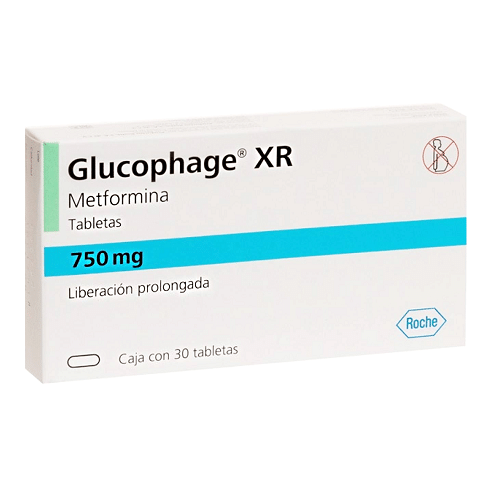
Can Glucophage be purchased without a prescription in Singapore?
No, Glucophage (metformin) cannot be purchased without a prescription in Singapore. It is a prescription-only medicine regulated by the Health Sciences Authority (HSA), and must be supplied by a licensed pharmacy upon presentation of a valid prescription from a registered medical practitioner.
Key Takeaways
- Glucophage is prescribed as a first-line treatment for type 2 diabetes mellitus in Singapore, especially for overweight adults.
- It requires a valid prescription from a Singapore-registered doctor; buying Glucophage without prescription is illegal and unsafe.
- Stable blood glucose reduction may be seen within days, but full benefits usually occur after several weeks of regular use.
- The most important safety consideration is the risk of lactic acidosis, especially in those with kidney or severe liver impairment.
- If you experience persistent nausea, vomiting, or unusual tiredness while on Glucophage, seek immediate medical advice.
- Singapore’s public healthcare system provides coverage and subsidies for Glucophage under approved medical indications.
What is Glucophage and who is it for in Singapore?
Glucophage is the Singapore trade name for metformin, an oral antidiabetic medication used primarily to treat type 2 diabetes mellitus. It is typically prescribed when dietary modification and physical activity alone are insufficient to control blood sugar levels. Glucophage is suitable for adults and adolescents (aged 10 and above) with type 2 diabetes, and is commonly recommended as the initial pharmacological treatment according to Singapore’s Ministry of Health diabetes clinical practice guidelines.
Patients with type 1 diabetes should not use Glucophage, as it is ineffective in the absence of endogenous insulin production. In Singapore, Glucophage is available in various formulations, including standard tablets and extended-release (XR) tablets.
How does Glucophage (Metformin) regulate blood sugar?
Glucophage’s active ingredient, metformin hydrochloride, is classified as a biguanide. It works by reducing hepatic (liver) glucose production through the inhibition of mitochondrial respiratory-chain complex I. Metformin also increases insulin sensitivity in peripheral tissues (muscles and fat) and helps the body utilise glucose more effectively. Additionally, it suppresses intestinal absorption of glucose, reducing post-meal blood sugar spikes.
- Main target: Hepatic gluconeogenesis (liver’s glucose output), via activation of AMP-activated protein kinase (AMPK)
- Key effects: Reduces fasting and postprandial (after-meal) blood glucose levels, without causing significant hypoglycaemia when used alone
- Other effects: Modest reduction in LDL cholesterol and potential cardiovascular benefit (as seen in UKPDS and other studies; see PubMed)
Metaphor: Think of Glucophage as a “brake” on the liver’s sugar factory. It slows the release of new sugar into the bloodstream, while also making muscle cells more receptive to insulin—a bit like opening more doors for sugar to enter.
Glucophage does not rely on external triggers (like food intake timing) for activity, but regular daily use is necessary to maintain steady blood levels and effectiveness.
Myth vs Reality: Myth: Glucophage acts instantly to lower blood glucose. Reality: It may take several days to weeks for the full glucose-lowering benefits to appear.
Clinical Observations: Why Patient Expectations Often Differ from Real-World Results
As a physician, I frequently notice that patients expect Glucophage to produce immediate improvements in their blood glucose readings. However, the most meaningful effects often develop over the course of several weeks. Some patients conclude the medicine is ineffective if their home glucose monitoring does not show rapid change, leading to premature discontinuation or unnecessary concern. It’s important for patients to understand that steady, gradual improvement is often a sign of efficacy. I also encourage patients to ask about long-term goals, not just short-term numbers, and to discuss how lifestyle adjustments complement Glucophage therapy for optimal results.
How should Glucophage be taken in Singapore? Dosage and administration guide
- Initial dose (adults): 500 mg once or twice daily, usually with meals to reduce gastrointestinal side effects.
- Titration: Dose may be increased by 500 mg weekly, as tolerated, based on blood glucose response. Maximum efficacy is seldom achieved at doses above 2000 mg per day.
- Maximum daily dose: Do not exceed 3000 mg per day (immediate-release) or 2000 mg per day (extended-release formulation).
- Elderly or renal impairment: Lower starting doses and more gradual titration are recommended. Dose should be adjusted based on kidney function (eGFR). Not recommended if eGFR is below 30 mL/min/1.73 m2.
- Pediatric use: Approved for children 10 years and older with type 2 diabetes, starting at 500 mg once daily.
- Splitting tablets: Standard Glucophage tablets (not XR) may be split if scored. Extended-release tablets must be swallowed whole—do not crush or split.
- Missed dose: Take as soon as remembered unless it is almost time for the next dose. Do not double dose to make up for a missed one.
Peak effect is usually seen after 2–3 hours (immediate-release) or up to 8 hours (extended-release), though clinical impact on HbA1c may require several weeks.
How is Glucophage metabolised and eliminated in the body?
Metformin is not metabolised by the liver and is excreted unchanged by the kidneys through renal tubular secretion. Its half-life in blood plasma is approximately 4–9 hours for immediate-release formulations. It does not accumulate in tissues with normal kidney function.
- Absorption: Mainly in the small intestine; bioavailability around 50–60%.
- Peak blood level: 2–3 hours after dose (immediate-release), 6–8 hours (extended-release).
- Excretion: Completely renal; caution in CKD (chronic kidney disease).
Impaired kidney function may lead to accumulation and increased risk of serious side effects, including lactic acidosis.
How does food, alcohol, and lifestyle affect Glucophage therapy?
With food: Take Glucophage with or after a meal to reduce stomach upset. Fatty or large meals may delay absorption slightly, but do not significantly reduce efficacy.
Alcohol: Regular or excessive alcohol intake is discouraged due to the increased risk of lactic acidosis—a rare but potentially life-threatening complication. Small, occasional amounts may be permissible for some patients, but should always be discussed with your doctor.
- Alcohol limits: No more than 1 standard drink/day (e.g., 330ml beer, 100ml wine) is generally recommended, but zero alcohol is safest for those at risk of liver or kidney issues.
Grapefruit juice: Unlike some other medications, grapefruit juice does not significantly interact with metformin.
Lifestyle: Consistent physical activity and dietary management remain critical for optimal results. Glucophage is most effective when integrated into a broader diabetes management plan.
Compatibility Checklist: Glucophage With Common Products
| Type of Product | Can it be combined? | Consequences |
|---|---|---|
| Aspirin (low dose) | Yes | No significant interaction |
| Statins | Yes | Generally safe, monitor for muscle symptoms |
| Insulin | Yes | May require dose adjustment |
| Alcohol (excessive) | STRICTLY NO | Risk of lactic acidosis |
| Cimetidine | With caution | May increase metformin levels; monitor renal function |
| Ibuprofen | Yes, with monitoring | Potential kidney strain |
| Herbal supplements | Unknown | Discuss with your doctor |
When should Glucophage never be used? Absolute and relative contraindications
- Absolute (never use):
- Severe renal impairment (eGFR < 30 mL/min/1.73 m2) due to risk of lactic acidosis.
- Severe hepatic impairment (liver failure), as this raises lactic acidosis risk.
- Acute or chronic metabolic acidosis (e.g., diabetic ketoacidosis).
- Known hypersensitivity to metformin or excipients.
- Relative (use with caution):
- Heart failure or recent myocardial infarction (case-by-case, under specialist supervision).
- Elderly patients (over 80) due to increased risk of renal impairment.
- During radiological procedures using iodinated contrast (temporarily discontinue).
- Alcohol abuse or binge drinking (avoid use).
Why: Kidney and liver dysfunction reduce the body’s ability to clear lactic acid and the medication, thereby increasing the chance of lactic acidosis—a medical emergency.
What side effects are most common with Glucophage?
- Very common (>1/10):
- Gastrointestinal symptoms: diarrhoea, nausea, vomiting, abdominal pain, loss of appetite.
- Common (1/10 to 1/100):
- Taste disturbance (metallic taste)
- Mild weight loss
- Rare (<1/1000):
- Lactic acidosis (medical emergency; symptoms: rapid breathing, muscle pain, severe fatigue, confusion)
- Skin reactions (rash, itching)
- Vitamin B12 deficiency (with long-term use)
- Very rare (<1/10,000):
- Liver function disorders, hepatitis, or jaundice
If you develop persistent vomiting, abdominal pain, difficulty breathing, or overwhelming fatigue, stop Glucophage and seek medical help immediately.
Gastrointestinal side effects are often dose-related and may improve with continued use or dose reduction.
Common mistakes Singaporean patients make with Glucophage: How to avoid them
- Stopping Glucophage after a few days due to stomach upset. Many patients mistake initial gastrointestinal symptoms as intolerance, but these symptoms often subside after 1–2 weeks or with slower dose escalation. Speak to your doctor before discontinuing.
- Taking Glucophage on an empty stomach. This increases the risk of nausea and abdominal cramps. Always take with or after food unless instructed otherwise.
- Doubling the dose after a missed tablet. This can cause excessive side effects and is not recommended. Instead, resume your regular schedule.
- Not telling the doctor about new medications or supplements. Some drugs (e.g., cimetidine, certain diuretics) can increase metformin levels, raising risks. Always update your medication list at each clinic visit.
- Ignoring regular kidney function checks. Singaporean patients sometimes do not realise the importance of annual renal function monitoring, especially as they age. Kidney function determines safe, effective dosing and prevents dangerous accumulation.
- Ordering Glucophage online from unlicensed sources. This exposes patients to counterfeits or inappropriate formulations. Use only HSA-licensed Singaporean pharmacies.
How does Glucophage compare to other diabetes medications in Singapore?
Glucophage is often compared with other oral antidiabetic drugs such as gliclazide and sitagliptin. Here’s a practical comparison for Singapore:
| Medication | Onset Speed | Duration | Common Side Effects | Hypoglycaemia Risk | Estimated Price in SGD (per tablet) |
|---|---|---|---|---|---|
| Glucophage (Metformin) | Within days to weeks | 12–24 hours (per dose) | GI upset, B12 deficiency (long-term) | Low | S$0.10–S$0.30 |
| Gliclazide | Within 1–2 hours | 12–24 hours | Low blood sugar, weight gain | Moderate–High | S$0.20–S$0.50 |
| Sitagliptin | Within days | 24 hours | Headache, nasopharyngitis | Low | S$2.50–S$4.00 |
Bottom line: Glucophage is usually the most affordable and does not cause weight gain or significant hypoglycaemia. However, some alternatives may be considered if gastrointestinal intolerance or other contraindications exist.
What should I do if Glucophage does not work or causes too many side effects?
If you do not achieve adequate blood glucose control after several weeks of regular use, or side effects remain intolerable despite dose adjustments, consult your doctor. Your doctor may:
- Adjust the Glucophage dose or switch to an extended-release formulation (which may have fewer GI side effects).
- Combine Glucophage with another antidiabetic agent (e.g., sulfonylurea, DPP-4 inhibitor, SGLT2 inhibitor) in line with Singapore guidelines.
- Consider non-pharmacological strategies such as dietary modifications, increased activity, and weight loss.
- Investigate other underlying causes for uncontrolled blood glucose or intolerance.
Never stop or switch medications without consulting your healthcare provider.
Step-by-step: How to obtain Glucophage legally and safely in Singapore
- Book a consultation with a Singapore-registered doctor, either at a polyclinic, private clinic, or via a licensed telemedicine platform.
- Undergo medical assessment and discuss your symptoms, medical history, and any prior diabetes management attempts.
- If appropriate, your doctor will issue a prescription for Glucophage (metformin), specifying the correct formulation, dose, and duration.
- Present the prescription at a HSA-licensed pharmacy in Singapore. This may be a public hospital, polyclinic, or private community pharmacy.
- Pharmacist dispenses the medication after confirming your identity and prescription details. They may provide usage instructions and answer questions.
- Follow up with your doctor for monitoring, dose adjustments, and laboratory tests as recommended. Regular reviews are key to ensuring safety and effectiveness.
Telemedicine is legally available for follow-up consults and prescription renewals, provided you have an established relationship with your doctor and meet MOH criteria for telehealth services.
How to safely buy Glucophage online in Singapore: Pharmacy verification and patient safety
Singapore residents may order Glucophage online only through HSA-licensed e-pharmacies, which are bound by stringent regulatory requirements. Key safety tips:
- Check for HSA listing: The Health Sciences Authority maintains a list of licensed Internet-based pharmacies. Only purchase from these sources.
- Valid prescription required: Reputable online pharmacies will require a doctor’s prescription before supplying Glucophage. Glucophage without prescription offers are illegal and unsafe.
- Warning signs of unsafe sellers: Offers to buy Glucophage cheap without prescription, lack of verifiable Singapore address, no pharmacist contact, unbranded packaging, or suspiciously low prices.
- Consumer protection: Licensed pharmacies provide clear receipts, genuine product verification, and access to pharmaceutical counseling.
- Customs risks: Ordering from overseas or non-HSA-licensed websites may result in product seizure, fines, or exposure to counterfeit medicines.
If in doubt, consult your healthcare provider or the HSA website (https://www.hsa.gov.sg) to verify seller legitimacy.
How can I distinguish original Glucophage from counterfeit or grey market products?
Original Glucophage supplied in Singapore has distinctive packaging features to help patients spot genuine products:
- Manufacturer: Merck Sante S.A.S. (or generic manufacturer if specified).
- Packaging: Blister packs with clear batch number, expiry date, and HSA registration number. Labels and patient leaflets are in English.
- Tablet appearance: White, round or oval tablets, often marked with the manufacturer’s code or “500”, “850”, “1000” (depending on strength). No misspelling or odd fonts.
- Security features: Some packs include holograms, QR codes or scratch-panel authentication (check HSA or the manufacturer’s website for latest security technology in Singapore).
- Price warning: An unusually low price is often the first sign of a counterfeit or diverted product. Glucophage cheap offers from unofficial channels are a red flag.
Generics: Generic metformin is registered, HSA-approved, and usually less expensive. The active ingredient is the same, but excipients (inactive ingredients) may differ, which can affect tolerability in rare cases (e.g., allergies to dyes or fillers).
Both original and generic versions are subject to rigorous quality control. Always purchase Glucophage in pharmacy settings, not from informal online sellers, to ensure product authenticity.
Quality Check: How should genuine Glucophage look in Singapore?
- Tablets: White, round (500mg) or oval (850mg/1000mg), may be scored
- Blisters: Clear, with manufacturer’s logo and batch details
- Cartons: Printed HSA registration number, English labeling
- Security: Hologram or QR code on box (if applicable)
- Leaflet: Comprehensive patient information in English
What should I do if I overdose on Glucophage?
- Stop taking Glucophage immediately.
- Call 995 for emergency medical services in Singapore.
- Inform the healthcare team exactly how much was taken and when.
- Do not attempt to induce vomiting unless instructed by medical staff.
- Bring the medication packaging to the hospital if possible.
Symptoms of overdose may include severe nausea, vomiting, diarrhoea, rapid breathing, weakness, and drowsiness—signs of possible lactic acidosis. Immediate hospital treatment is essential.
Is Glucophage safe for special groups in Singapore?
- Pregnancy: Not first-line, but may be used under specialist guidance in gestational diabetes when benefits outweigh risks. Always discuss with your obstetrician.
- Breastfeeding: Metformin passes into breast milk in small amounts; generally considered acceptable, but monitor infant for GI symptoms.
- Elderly: Start at lowest dose; monitor kidney function regularly.
- Children: HSA-approved for type 2 diabetes in children aged 10 years or older.
- Driving and machinery: Glucophage alone does not cause hypoglycaemia, so does not impair driving. However, combined therapy with insulin or sulfonylureas may increase risk—exercise caution.
- Fertility: No known adverse effect on fertility. In fact, metformin is sometimes used in women with polycystic ovary syndrome (PCOS) to promote ovulation under specialist care.
Glucophage vs. generics: Are they equivalent?
Glucophage is the original brand of metformin. Multiple HSA-registered generics (e.g., Metformin Sandoz, Metformin Teva) are available and widely used in Singapore’s public health system. Both contain the same active ingredient, with bioequivalence demonstrated in clinical studies. Generic options are usually more affordable, with a typical price difference of S$0.10–S$0.15 per tablet compared to branded Glucophage.
- Excipients: Inactive ingredients may vary, and hypersensitivity reactions are possible, though rare.
- Efficacy: Clinical guidelines consider generics and original Glucophage equally effective for type 2 diabetes.
- Cost-saving: Many patients can purchase Glucophage or generic metformin at subsidised rates in Singapore public clinics or polyclinics.
Diabetes and treatment: Psychological support matters too
Type 2 diabetes is common in Singapore, and needing medications like Glucophage is not a sign of failure or weakness. Many people benefit from sharing their experiences with family, trusted friends, or support groups. If you feel overwhelmed, anxious, or discouraged, speak to your doctor or consider psychological counselling, as mental well-being is key to effective diabetes management.
Glucophage product information at a glance
| Parameter | Value |
|---|---|
| Active ingredient | Metformin hydrochloride |
| Available strengths | 500 mg, 850 mg, 1000 mg |
| Formulations | Immediate-release tablet, extended-release tablet |
| Typical dosing frequency | 1–3 times daily (immediate-release); once daily (extended-release) |
| Storage | Below 25°C, dry place, original packaging |
| Prescription requirement (Singapore) | Yes |
| Manufacturer | Merck Sante S.A.S. and various generics |
Questions patients often ask doctor about Glucophage in Singapore
- How long will it take before my blood sugar improves on Glucophage?
- Most patients see a meaningful reduction in their blood sugar within a few days to a couple of weeks after starting Glucophage. For the best picture, your doctor may check your HbA1c after 3 months of therapy.
- Will I need to stay on Glucophage forever?
- Diabetes is a long-term condition. If Glucophage keeps your blood sugar controlled and you tolerate it well, you may remain on it for many years. However, your doctor will review your medication regularly and may adjust your treatment plan as your health changes.
- Is it safe to combine Glucophage with herbal supplements or traditional medicines?
- Some supplements can interact with prescription medicines. Always inform your doctor about any herbal or traditional products you use, so potential interactions can be reviewed.
- How can I tell if Glucophage is working for me?
- Consistent improvement in home glucose readings and laboratory tests like HbA1c over time indicate effectiveness. Symptom improvement (e.g., less thirst, fewer urination episodes) is another sign, but regular monitoring is essential.
- Do I need special blood tests while on Glucophage?
- Yes. Your doctor will monitor your kidney function (creatinine/eGFR), liver function, and HbA1c. Long-term, periodic vitamin B12 checks may also be recommended.
- Can Glucophage be stopped suddenly?
- Glucophage does not cause withdrawal, but abrupt cessation may lead to worsening blood sugar control. Always consult your doctor before making changes.
- What should I do if I develop side effects that I cannot tolerate?
- Contact your prescribing doctor. Do not stop Glucophage on your own—dose adjustment, alternative formulations, or other medications may be considered to maintain glucose control safely.
Clinical Assessment by doctor: When is Glucophage the right choice for patients?
In my clinical experience, Glucophage is best suited for adults and adolescents with newly diagnosed type 2 diabetes—especially those who are overweight and have no major kidney or liver impairment. Patients who are motivated to improve their diet and physical activity typically see the greatest benefit, as Glucophage’s action is synergistic with lifestyle measures. However, it is not ideal for those with advanced renal insufficiency, severe heart failure, or gastrointestinal intolerance. When a patient experiences persistent GI side effects despite slow titration, or cannot achieve their glycaemic targets on Glucophage alone, I consider alternative oral agents or combination therapy in line with Singapore’s clinical guidelines. Regular monitoring and a patient-centred approach ensure we balance efficacy, safety, and tolerability for each individual.
Frequently Asked Questions about Glucophage in Singapore
- Can I buy Glucophage without prescription in Singapore?
- No, you cannot buy Glucophage without prescription in Singapore. It is a prescription-only medicine and must be dispensed by a licensed pharmacy upon a valid prescription from a Singapore-registered doctor.
- Is it possible to order Glucophage online in Singapore?
- Yes, but only from HSA-licensed online pharmacies, and you must provide a valid prescription. Offers to buy or order Glucophage online without prescription are illegal and often unsafe.
- How much does Glucophage cost in Singapore?
- In 2026, the price of Glucophage or its generic equivalents in Singapore ranges from S$0.10 to S$0.30 per tablet at public clinics, with subsidies available under the Chronic Disease Management Programme (CDMP).
- What are the typical side effects of Glucophage?
- The most common side effects are gastrointestinal, such as nausea, diarrhoea, and abdominal discomfort. Lactic acidosis is rare but serious. Long-term use may lead to vitamin B12 deficiency.
- Will Glucophage cause low blood sugar?
- When taken alone, Glucophage rarely causes hypoglycaemia. The risk increases if used with insulin or sulfonylureas.
- How can I ensure I receive genuine Glucophage in pharmacy?
- Purchase only from licensed Singaporean pharmacies. Check packaging for HSA registration, batch number, and English-language leaflet. Beware of unbranded, poorly labelled, or suspiciously cheap products.
- Can I use Glucophage during pregnancy or breastfeeding?
- Glucophage may be used for gestational diabetes under specialist supervision. For breastfeeding, small amounts may pass into milk; discuss risks and benefits with your doctor.
- Are there affordable alternatives to Glucophage in Singapore?
- Yes, generic metformin preparations are available and considered equally effective. Some other oral antidiabetics may be suitable if metformin is not tolerated.
- What should I do if I miss a dose?
- Take the missed dose as soon as possible unless it is almost time for your next dose. Do not double up to make up for a missed dose.
- How long will I need to take Glucophage?
- Type 2 diabetes is a chronic condition. Most patients will need long-term therapy to maintain blood sugar control, though the exact duration depends on individual health status and treatment response.
References
- Health Sciences Authority Singapore (HSA) – Medicines Regulation
- Ministry of Health Singapore – Diabetes Clinical Practice Guidelines
- MIMS Singapore – Metformin Drug Information
- European Medicines Agency – Glucophage Product Information
- PubMed – Clinical Studies on Metformin (2022–2024)
- Mayo Clinic – Metformin (Oral Route): Proper Use
- NHS UK – Metformin