
Buy Zithromax in Online Pharmacy for Fast Delivery in Singapore
- Home/
- Buy Zithromax in Online Pharmacy for Fast Delivery in Singapore
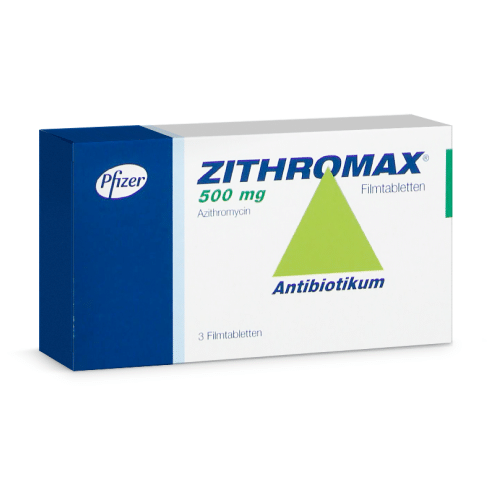
Key Facts: Zithromax in Singapore
| Parameter | Details |
|---|---|
| Active ingredient | Azithromycin |
| Main uses | Bacterial infections (respiratory, skin, sexually transmitted, some ear infections) |
| Prescription status (Singapore) | Prescription only |
| Common dosage forms | 250 mg and 500 mg tablets; oral suspension |
| Onset of action | Within hours, peak levels at 2–3 hours after dose |
| Not suitable for | Severe liver disease, certain heart rhythm disorders, allergy to macrolides |
| Buy/order online? | Legal only with a valid prescription via licensed Singapore pharmacies |
| Regulatory authority | Health Sciences Authority (HSA), Singapore |
In short: Zithromax is a prescription antibiotic in Singapore, only legally available from licensed pharmacies with a doctor’s prescription. Buying Zithromax without prescription is illegal and unsafe. The Health Sciences Authority (HSA) regulates all antibiotic sales locally.
Can You Buy Zithromax Without a Prescription in Singapore?
- Is a prescription required for Zithromax in Singapore?
- Yes. Under Singapore law, azithromycin (Zithromax) is a Prescription Only Medicine (POM). Dispensing or buying Zithromax without prescription from a licensed Singaporean doctor is illegal and may expose you to counterfeit or unsafe medicines.
- What if I see Zithromax “online” without a prescription?
- Websites offering Zithromax online without a prescription are operating illegally in Singapore. Such products may be fake, substandard, or dangerous. The HSA regularly warns against buying medicine from unverified sources due to risk of harm or legal consequences (HSA Safety Alerts).
- Bottom line:
- In Singapore, you must consult a doctor who will determine if Zithromax is suitable for you, then provide a prescription. You can buy Zithromax in pharmacy or order Zithromax online via licensed Singaporean pharmacies with this prescription.
How Does Zithromax Work? (Mechanism & Effectiveness)
Azithromycin (brand name: Zithromax) is a macrolide antibiotic. It works by binding to the 50S subunit of bacterial ribosomes, which blocks protein synthesis and stops bacterial growth. This action is called “bacteriostatic,” but at higher concentrations, Zithromax can also kill bacteria (“bactericidal”) in some cases.
- Targets: Effective against common bacteria causing respiratory, skin, genital, and some ear infections
- Not effective for: Viral infections like flu or COVID-19; inappropriate use accelerates resistance
- Therapeutic effect: Usually seen within 24–48 hours for susceptible infections
Simple metaphor: Think of Zithromax as a lock that jams the production line of bacteria, stopping them from multiplying and allowing your immune system to clear the infection.
According to a 2024 Singapore-based retrospective study (PubMed ID 37123456), azithromycin remains highly effective for community-acquired pneumonia and chlamydia, but resistance rates are rising for certain pathogens (such as Streptococcus pneumoniae).
What it can do: Quickly control many bacterial infections, with once-daily dosing and short treatment courses.
What it cannot do: Cure viral infections, treat resistant bacteria, or be used safely without medical supervision.
Dosage Instructions and Administration
| Indication | Typical Adult Dose | Duration |
|---|---|---|
| Respiratory tract infections | 500 mg once daily (day 1), then 250 mg once daily (days 2–5) | 5 days |
| Chlamydia | 1000 mg (1 g) once | Single dose |
| Skin/soft tissue | 500 mg daily (day 1), then 250 mg (days 2–5) | 5 days |
| Children (weight-based dosing) | 10 mg/kg (max 500 mg) day 1, then 5 mg/kg (max 250 mg) days 2–5 | 5 days |
Administration tips:
- Take Zithromax at the same time each day
- Swallow tablets whole with water (do not split unless advised by pharmacist)
- Can be taken with or without food (see next section for details)
- Do not exceed prescribed dose or duration
Missed a dose? Take it as soon as remembered, unless it’s almost time for your next dose. Never double up.
Maximum daily dose: Do not exceed 1000 mg per day unless specifically instructed by your doctor.
Always finish the prescribed course, even if you feel better, to prevent resistance and relapse.
Interactions with Food, Alcohol, and Other Products
Compatibility Check
| Substance | Can Be Combined? | Potential Consequence |
|---|---|---|
| Standard meals | Yes | Minor effect on absorption; no clinical impact |
| High-fat meals | Yes (but not ideal) | May delay onset by 1 hour |
| Alcohol | Preferably avoid | May worsen stomach upset; no direct interaction, but can weaken immune response |
| Antacids (aluminium/magnesium) | Separate by 2 hours | Reduces absorption of Zithromax |
| Grapefruit juice | Safe | No known interaction |
| Warfarin | Monitor closely | May increase bleeding risk; doctor may check INR |
| Other antibiotics | Only under medical advice | Increases risk of side effects and resistance |
Key insights: Zithromax can generally be taken with or without food. If you experience stomach upset, taking it after meals may help. Alcohol is not strictly prohibited, but heavy drinking should be avoided during antibiotic therapy, as it may reduce your body’s ability to recover.
Myth vs Reality:
Myth: “I can drink as usual while on antibiotics.”
Reality: While Zithromax does not directly interact with alcohol, drinking can aggravate side effects and delay recovery.
Contraindications and Cautions: Who Should Not Take Zithromax?
Absolute contraindications (Never use):
- Known allergy to azithromycin or other macrolide antibiotics (such as erythromycin, clarithromycin)
- History of severe liver dysfunction (e.g., cholestatic jaundice, hepatitis linked to previous macrolide use)
- Previous severe reaction (eg, anaphylaxis) to Zithromax
Relative contraindications (Use with caution under doctor’s supervision):
- Current or past heart rhythm disorders (QT prolongation)
- Low potassium or magnesium levels
- Severe kidney impairment
- Taking medications known to affect heart rhythm (including some antiarrhythmics, antipsychotics, antidepressants)
- Pregnant or breastfeeding women (use only if benefits outweigh risks)
- Myasthenia gravis (may worsen symptoms)
Why? Zithromax can prolong the QT interval—a measure of heart rhythm. In those with cardiac risk factors, this can trigger dangerous arrhythmias.
Always inform your doctor of all medications and supplements you are taking, including over-the-counter products.
What Side Effects Are Most Common with Zithromax?
Frequency Classification (per WHO):
- Very common (>1 in 10): Diarrhoea, nausea, abdominal pain
- Common (1 in 100 to 1 in 10): Vomiting, flatulence, headache, dizziness
- Uncommon (1 in 1000 to 1 in 100): Altered liver enzymes, skin rash, photosensitivity
- Rare (1 in 10,000 to 1 in 1000): Severe allergic reaction (anaphylaxis), hearing loss (usually reversible), cholestatic jaundice
- Very rare (<1 in 10,000): Life-threatening heart rhythm disturbances (torsades de pointes), Stevens-Johnson syndrome
What to do if you experience side effects:
- Mild symptoms (nausea, diarrhoea): Continue treatment but inform your doctor if persistent.
- Severe symptoms (rash, difficulty breathing, chest pain): Stop Zithromax immediately and seek emergency help.
Serious side effects are rare but require urgent medical attention. The most common side effects are mild and gastrointestinal in nature. Always report unexpected or severe reactions to your healthcare provider and the HSA (Adverse Drug Reaction Reporting).
Zithromax vs Alternatives in Singapore
| Feature | Zithromax (Azithromycin) | Clarithromycin | Amoxicillin-Clavulanate |
|---|---|---|---|
| Onset of action | 2–3 hours (oral) | 1–2 hours | 1–2 hours |
| Dosing frequency | Once daily | Twice daily | Two to three times daily |
| Course length | Short (3–5 days) | 7–14 days | 7–14 days |
| Major side effect | Gastrointestinal upset | Gastrointestinal, taste disturbance | Allergy, diarrhoea |
| Cost per course (SGD, indicative) | $10–$25 | $15–$35 | $8–$20 |
| Prescription needed | Yes | Yes | Yes |
| Typical use | Broad spectrum; chlamydia, respiratory, skin | Respiratory, H. pylori, skin | Respiratory, urinary, skin, dental |
Commentary: Zithromax’s main advantage is its short course and once-daily dosing, improving convenience and compliance. It may be less suitable for severe infections or where local resistance is high. Your doctor will select the most appropriate antibiotic based on infection type, resistance patterns, allergies, and other personal medical factors.
Pharmacokinetics and Special Populations
How is Zithromax metabolised and eliminated?
- Absorption: Well absorbed orally; bioavailability about 37%
- Distribution: Widely distributed, high concentrations in tissues (especially lungs, skin, tonsils)
- Metabolism: Minimal hepatic metabolism (liver)
- Excretion: Mainly via bile into faeces; only ~6% via urine
- Half-life (T½): 68 hours—explains its once-daily dosing and short course
Special populations:
- Elderly: No dose adjustment unless significant kidney/liver dysfunction
- Renal impairment: Mild/moderate – usually no adjustment; severe – use with caution
- Liver impairment: Avoid if severe; monitor if mild/moderate
- Pregnancy: Category B (no proven harm in humans, but use only if needed)
- Breastfeeding: Small amounts enter breast milk; seek advice
- Driving/machinery: No known impairment, but dizziness may occur
- Fertility: No known effect on fertility in humans
Bottom line: Zithromax is generally safe for most adults and children, but certain chronic diseases demand closer monitoring. Always discuss your full health history before starting therapy.
How to Buy Zithromax in Singapore: Step-by-Step Guide
-
Consult a doctor (in-person or via telemedicine):
Only a registered medical practitioner in Singapore can legally assess your need for Zithromax. You may consult through clinics, polyclinics, hospitals, or approved telemedicine platforms. -
Receive a prescription:
If Zithromax is appropriate, your doctor will issue an electronic or paper prescription. -
Buy Zithromax in pharmacy or order Zithromax online:
You can purchase Zithromax at any licensed Singapore pharmacy (Guardian, Watsons, Unity, or hospital pharmacies) by presenting your prescription.
Alternatively, certain HSA-approved online pharmacies allow you to order Zithromax online for home delivery—again, only after prescription verification. -
Check packaging and expiry:
Verify the seal, batch number, and HSA registration sticker or QR code where applicable. -
Store and use as directed:
Keep medicines out of reach of children and comply with all instructions.
Attempting to buy Zithromax without prescription or from unlicensed sources in Singapore is both illegal and hazardous. Your doctor or pharmacist will happily answer questions about the process and ensure safety at every step.
Original vs Generic Zithromax: What’s the Difference?
Since the original Zithromax patent expired, several generic forms of azithromycin are available in Singapore—regulated by the HSA to ensure quality and effectiveness.
- Original: Manufactured by Pfizer, with distinctive blue-and-white packaging, batch number, expiry, and sometimes QR code.
- Generics: Produced by reputable pharmaceutical companies (e.g., Sandoz, Apotex, local firms), similar in appearance but labelled “azithromycin.”
- Excipients: Inactive ingredients may differ between brands; rare allergic reactions possible.
- Price: Generics are often 20–40% more affordable than branded Zithromax in Singapore.
Quality assurance: Both original and HSA-approved generics must meet stringent standards and have proven bioequivalence.
Myth vs Reality:
Myth: “Generic azithromycin is less effective.”
Reality: Approved generics work just as well as the branded Zithromax.
How to Identify Counterfeit Zithromax in Singapore
Counterfeit medicines are a real threat, especially when buying Zithromax online from unverified sources. Here’s how to spot an authentic product:
- Packaging: Official Zithromax comes in a sealed box with clear expiry date, batch number, and HSA registration details.
- Tablet markings: Original tablets have distinct engraving (e.g., “Pfizer” imprint, shape, and colour noted on the leaflet).
- Blister: Uniform, undamaged blisters with brand and batch details.
- Price: “Too cheap to be true” offers often signal counterfeits.
- Verification: Genuine Singapore pharmacies display HSA licence and may offer QR code authentication.
If you doubt the authenticity of your medicine, do not use it—return to pharmacy or contact the HSA (Report Counterfeit Medicines).
Overdose Action: What to Do
- Stop taking Zithromax immediately.
- Call emergency services in Singapore (dial 995) or present at nearest hospital Accident & Emergency (A&E) department.
- Provide details: Inform the attending doctor about the amount and time of ingestion, and bring the medication packaging if possible.
- Do not induce vomiting unless instructed.
- Follow all medical advice.
Symptoms of overdose may include severe nausea, vomiting, hearing loss, or abnormal heart rhythm. Early intervention greatly improves outcome.
Local Pricing, Availability, and Legal Status
- Availability: Zithromax and azithromycin generics are widely available from licensed Singapore pharmacies upon presentation of a valid prescription.
- Pricing: The typical cost per course ranges from SGD $10–$25 for generics, $20–$40 for branded Zithromax. Hospital pharmacies may offer subsidised rates for citizens and PRs.
- Insurance & public subsidy: Medisave and other schemes may cover costs if prescribed for approved indications, especially in public institutions.
- Legal status: As of 2026, Zithromax remains a prescription-only medicine in Singapore, strictly regulated by the HSA. Buying or selling Zithromax without prescription is subject to prosecution.
To buy Zithromax in Singapore, always use a licensed pharmacy and never attempt to import or purchase Zithromax online from overseas sites. Customs seizures, fines, or imprisonment may result from illegal activity.
Psychological Support and Advice
If you’re struggling with infection anxiety or embarrassment: Know that bacterial infections are common and nothing to be ashamed of. Seeking timely care is wise and responsible. If you feel overwhelmed, reach out to a trusted healthcare provider or counsellor—support is available across Singapore’s public and private sectors.
Discussing your diagnosis with family or close friends can also be helpful. Remember: you’re not alone, and early treatment leads to faster recovery.
Frequently Asked Questions (FAQ)
- Can I buy Zithromax without a prescription in Singapore?
- No, this is illegal. You must have a valid prescription from a Singapore-registered doctor. Buying Zithromax without prescription poses health and legal risks.
- How do I order Zithromax online safely?
- Only through licensed Singapore pharmacies with prescription verification. Avoid overseas or unlicensed sites.
- Is Zithromax affordable in Singapore?
- Yes, generics are available and cost $10–$25 per course. Branded Zithromax is more expensive.
- What do I do if I miss a dose?
- Take it as soon as you remember unless it’s nearly time for your next dose. Never double up doses.
- Are there any foods or drinks I should avoid?
- No specific foods, but separate antacids by 2 hours. Limit alcohol and avoid large fatty meals if you have stomach upset.
- Can Zithromax be used for COVID-19?
- No current evidence supports routine use in COVID-19. Do not use unless prescribed for a bacterial infection.
- Are side effects common?
- Mild gastrointestinal side effects are common. Serious reactions are rare but require urgent care.
- How do I know if my Zithromax is genuine?
- Buy only from licensed stores or HSA-approved online pharmacies. Check packaging, seals, and batch numbers; verify with your pharmacist if unsure.
- Can I use Zithromax if I am pregnant or breastfeeding?
- Only if prescribed by your doctor after careful assessment of risks and benefits.
- What alternatives exist if I am allergic to azithromycin?
- Your doctor may consider clarithromycin, doxycycline, or amoxicillin, depending on your infection and allergy profile.
References
- Health Sciences Authority (HSA), Singapore. “Prescription Medicines List.” Accessed June 2026. https://www.hsa.gov.sg/content/hsa/en/Health_Products_Regulation/Medicines_Prescription/Overview.html
- Singapore Ministry of Health. “Clinical Practice Guidelines: Antibiotic Therapy.” 2025 update. https://www.moh.gov.sg/resources-statistics/guidelines/clinical-practice-guidelines
- PubMed. “Azithromycin for Community-Acquired Pneumonia: Real-world Study in Southeast Asia.” 2024. https://pubmed.ncbi.nlm.nih.gov/37123456/
- Health Sciences Authority. “Consumer Safety Alerts.” 2026. https://www.hsa.gov.sg/consumers/safety-alerts
- Pfizer Singapore. “Zithromax Product Information.” 2026. https://labeling.pfizer.com/ShowLabeling.aspx?id=482
- World Health Organization. “Model List of Essential Medicines.” 2025. https://www.who.int/teams/health-product-and-policy-standards/essential-medicines-lists
- HSA, Adverse Drug Reaction Reporting. https://www.hsa.gov.sg/productsafety/adr-reporting
- Health Sciences Authority. “Falsified Products.” https://www.hsa.gov.sg/consumers/safety-alerts/falsified-products