
Buy Prednisolone Online in Singapore Fast and Easy
- Home/
- Buy Prednisolone Online in Singapore Fast and Easy
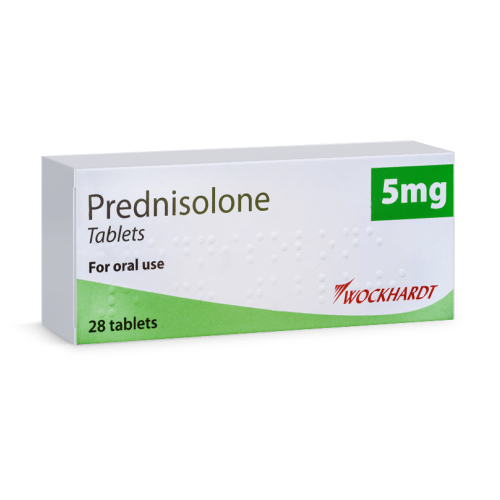
Can I buy Prednisolone without a prescription in Singapore?
No, you cannot buy Prednisolone without a prescription in Singapore. Prednisolone is a prescription-only medication regulated by the Health Sciences Authority (HSA). You must consult a licensed doctor to obtain a valid prescription before you can purchase Prednisolone from a registered pharmacy or order Prednisolone online through approved telemedicine providers.
Key Takeaways: What You Need to Know About Prednisolone in Singapore
- Prednisolone is a prescription-only medication in Singapore; it cannot be legally obtained without a valid doctor’s prescription.
- This medication is primarily used for reducing inflammation and managing immune-related conditions such as asthma, allergies, rheumatoid arthritis, and certain skin diseases.
- Results are often seen within a few hours to days after starting treatment, depending on the condition and dose.
- The most critical safety consideration is that abrupt stopping can lead to serious withdrawal symptoms; always follow your doctor’s guidance on tapering.
- For Prednisolone in Singapore, you must consult a doctor for an assessment and prescription before you can buy Prednisolone from a pharmacy or online provider.
- Seek medical advice immediately if you experience vision changes, severe mood changes, or signs of infection while on Prednisolone.
How does Prednisolone work for inflammation? Understanding its mechanism of action
Prednisolone is a synthetic glucocorticoid—an analogue of a natural hormone (cortisol) produced by the adrenal glands. It works by binding to intracellular glucocorticoid receptors, which then move to the cell nucleus and alter the expression of target genes. This process suppresses the transcription of pro-inflammatory cytokines and upregulates anti-inflammatory proteins, thereby reducing the immune system’s inflammatory response (Mayo Clinic; PubMed).
At a biochemical level, Prednisolone inhibits phospholipase A2 and reduces the synthesis of prostaglandins, leukotrienes, and other mediators of inflammation. It also stabilises lysosomal membranes and reduces capillary permeability, resulting in decreased swelling, redness, and pain.
Simple metaphor: Imagine inflammation as a fire in the body. Prednisolone acts like a fast-acting fire suppressant, stopping new flames from starting and putting out existing ones by dampening the immune response.
Prednisolone works independently of external triggers but is most effective when the underlying inflammation is driven by immune system dysfunction.
A Physician’s Perspective: Why Patients Often Misunderstand What Prednisolone Can Achieve
As a clinician, I often see patients expecting Prednisolone to offer immediate symptom relief for every inflammatory condition—sometimes within minutes or hours. The reality is that while Prednisolone can work quickly for conditions like asthma exacerbations, in many chronic diseases the response is gradual and subtle. Patients may judge effectiveness solely by the rapid disappearance of pain or swelling, but the true benefit unfolds over days and can include preventing organ damage or flare-ups. One challenge is that people rarely ask about long-term risks or the importance of gradual dose reduction (tapering), even though abrupt cessation can be hazardous. I encourage patients to ask about monitoring, duration, and what to expect over time, not just about the “quick fix.” Managing expectations and communicating likely outcomes are just as important as the prescription itself.
Instructions for use: How should I take Prednisolone for the best results?
Prednisolone dosing is highly individualised and depends on the condition being treated. Typical starting doses for adults range from 5 mg to 60 mg daily, often given as a single morning dose to mimic the body’s natural cortisol rhythm. In acute situations (such as severe asthma), higher doses may be prescribed at first, with gradual reduction over days to weeks.
- Maximum daily dose: For most adults, doses above 80 mg/day are rarely recommended and may increase risk of serious side effects. Always follow your doctor’s instructions.
- Elderly patients: Dose adjustments are common due to increased sensitivity and risk of side effects.
- Impaired liver or kidney function: Lower doses may be required and monitoring is essential.
- Formulations: Prednisolone tablets (1 mg, 5 mg, 10 mg, 20 mg, 25 mg) can generally be split, but always check with your pharmacist as some brands come with specific instructions.
The peak effect is typically seen within 1–2 hours for oral tablets, and the duration of action lasts about 12–36 hours depending on the dose and your metabolism.
How does food, alcohol, or other lifestyle factors affect Prednisolone?
- Food: Take Prednisolone with food or milk to reduce stomach irritation. High-fat meals do not significantly affect absorption, but may slightly delay the onset of action by 30–60 minutes.
- Alcohol: It is safest to avoid alcohol during Prednisolone therapy, as both can increase stomach irritation and risk of gastrointestinal bleeding. If you must drink, limit to no more than 1 standard drink per day, and only with your doctor’s approval.
- Grapefruit juice: No significant interaction has been reported with Prednisolone, but always check for updates as new data emerges.
- Smoking: May slightly reduce effectiveness in certain respiratory conditions.
Who should NOT take Prednisolone? Absolute and relative contraindications explained
- Absolute contraindications:
- Active, untreated systemic infections (e.g., tuberculosis, fungal infections)
- Known allergy to Prednisolone or excipients
- Recent administration of live or attenuated vaccines (risk of uncontrolled infection)
- Relative contraindications:
- Uncontrolled diabetes mellitus (risk of hyperglycaemia)
- Uncontrolled hypertension or severe heart failure
- Peptic ulcer disease
- Severe osteoporosis
- Recent heart attack (myocardial infarction)—Prednisolone may be used under close supervision after at least several weeks
- History of psychiatric illness (may worsen mood swings or psychosis)
- Glaucoma
Prednisolone should only be prescribed after careful assessment of your risk factors and coexisting medical conditions.
What side effects are most common with Prednisolone?
- Very common (>1 in 10):
- Increased appetite, weight gain
- Insomnia
- Fluid retention (swelling of face, hands, or feet)
- Mood changes (irritability, anxiety)
- Raised blood sugar
- Common (1 in 10 to 1 in 100):
- High blood pressure
- Muscle weakness
- Easy bruising
- Indigestion, peptic ulcers
- Delayed wound healing
- Cataract or glaucoma (with long-term use)
- Rare (<1 in 1,000):
- Severe mood disturbances (mania, psychosis)
- Allergic reactions (rash, anaphylaxis)
- Avascular necrosis of bone
- Adrenal suppression (with prolonged or high-dose use)
- Vision changes, sudden loss of sight (report immediately)
If you experience severe abdominal pain, vision changes, signs of infection (fever, sore throat), or confusion, seek medical attention immediately. For mild side effects, contact your doctor to discuss possible adjustments.
Common Patient Mistakes: Avoiding Pitfalls When Using Prednisolone
- Stopping Prednisolone abruptly: Suddenly discontinuing corticosteroids can trigger serious withdrawal symptoms, including adrenal crisis (fatigue, vomiting, low blood pressure). Always follow your doctor’s tapered reduction plan.
- Taking doses at inconsistent times: Skipping or irregular timing can affect efficacy and may increase side effect risk. Take your dose at the same time each day (preferably morning).
- Doubling up after a missed dose: Taking two doses to “catch up” increases risk of side effects. If you forget a dose, take it as soon as possible unless it’s almost time for the next one—then skip the missed dose.
- Ignoring early side effects: Weight gain, mood swings, or sleeplessness are often dismissed. Alert your doctor early—adjustments may be possible.
- Using Prednisolone for minor ailments: This medication is not appropriate for mild inflammation or viral illnesses such as flu or cold.
- Not informing healthcare providers about Prednisolone use: Always disclose current therapy to all doctors, especially before surgery or vaccination.
How does Prednisolone compare with other alternatives for inflammation in Singapore?
Prednisolone is one of several corticosteroids available in Singapore. The table below compares it with methylprednisolone and dexamethasone, two commonly used alternatives. Prices are estimated for standard tablets (2026) in Singapore dollars (SGD), varying by pharmacy and supplier:
| Medication | Onset of Effect | Duration of Action | Typical Side Effects | Price Range (SGD/tab) | Available in Pharmacy? |
|---|---|---|---|---|---|
| Prednisolone | 1-2 hours | 12-36 hours | Weight gain, insomnia, mood changes | $0.30 – $1.20 | Yes |
| Methylprednisolone | 1-2 hours | 12-36 hours | Similar to Prednisolone, slightly more GI distress | $0.50 – $1.50 | Yes |
| Dexamethasone | 1-2 hours | 36-54 hours (longer acting) | Insomnia, mood swings, higher risk of adrenal suppression | $0.40 – $1.80 | Yes |
While Prednisolone is often preferred for its balance of potency and safety, other corticosteroids may be chosen for specific clinical scenarios (e.g., methylprednisolone for fewer sodium-retaining effects, dexamethasone for longer action). Discuss with your doctor which is most appropriate.
Prednisolone: Key Product Information at a Glance
| Parameter | Value |
|---|---|
| Available strengths in Singapore | 1 mg, 5 mg, 10 mg, 20 mg, 25 mg tablets; oral liquid (varies by brand) |
| Typical dosage schedule | Once daily in the morning, or divided doses as prescribed |
| Peak blood level | 1–2 hours after ingestion |
| Biological half-life | 2–4 hours |
| Metabolism | Primarily in the liver |
| Elimination | Excreted in urine (renal) |
| Storage conditions | Store below 30°C, away from moisture and sunlight |
Compatibility Check: Can I take Prednisolone with other medicines or products?
| Type of Product | Can it be Combined? | Consequences/Notes |
|---|---|---|
| Aspirin/NSAIDs | With caution | Increased risk of stomach ulcers/bleeding |
| Paracetamol | Yes | No significant interaction |
| Live Vaccines (MMR, BCG, etc.) | STRICTLY NO | Risk of severe infection |
| Diabetes medicines | With adjustment | May require dose increase of anti-diabetic medicine |
| Alcohol | Ideally avoid | GI irritation, risk of ulcers and bleeding |
Pharmacokinetics: What happens to Prednisolone in your body?
After oral ingestion, Prednisolone is rapidly absorbed from the gastrointestinal tract, reaching peak plasma concentrations within 1–2 hours (EMA). The drug is primarily metabolised in the liver via hepatic enzymes, including CYP3A4, and converted to inactive metabolites. These metabolites are then excreted mainly via the kidneys in urine. The elimination half-life of Prednisolone is approximately 2–4 hours, but its biological effects persist much longer due to gene-level actions.
In people with liver or kidney disease, these processes can be delayed, increasing the risk of side effects. Always inform your doctor about any chronic conditions.
Myth vs Reality: Does Prednisolone work instantly?
- Myth: Prednisolone offers instant relief for all symptoms.
- Reality: While some effects (like reduced asthma wheezing) can appear within hours, full benefit in chronic inflammatory conditions may take days to weeks. Patience and proper dosing are key for safe results.
Prednisolone in specific patient groups: What to watch for
- Elderly patients: Increased sensitivity to adverse effects (bone loss, confusion)
- People with diabetes: Blood sugar may rise; frequent monitoring is critical
- Children and adolescents: May impair growth with long-term use; use only under specialist supervision
- Pregnant or breastfeeding women: Use only if benefits clearly outweigh risks. Discuss with your doctor.
- Fertility: No direct evidence of reduced fertility, but menstrual disturbances may occur with prolonged high doses
- Driving and machinery: Generally does not impair alertness at standard doses, but mood changes or insomnia may impact concentration in some individuals.
Original Prednisolone vs generics: Is there a difference?
Original products are sold under brand names (e.g., Meticorten®), while generics are marketed by various manufacturers once the original patent expires. Generics such as Prednisolone by Sandoz, Teva, or local brands in Singapore contain the same active ingredient and must meet HSA bioequivalence standards.
- Excipient (inactive ingredient) differences: Generics may use different fillers or colourants, which rarely but occasionally cause allergic reactions.
- Cost: Generics are generally 20–60% cheaper than branded Prednisolone in Singapore.
- Effectiveness: Generics are clinically equivalent to branded products for most patients.
- Quality: Both must meet strict safety and quality checks as per HSA regulations.
If you experience allergies or intolerance to a specific brand, consult your pharmacist about alternative manufacturers.
Quality Checklist: How authentic Prednisolone should look in Singapore
- Packaging: Prednisolone tablets are supplied in sealed blisters or bottles, labelled in English with the product name, strength, batch number, and HSA registration number.
- Tablet appearance: White or off-white, round or oval, often scored for splitting. Genuine products have uniform colour, clear engravings, and no crumbling.
- Security features: Many brands in Singapore now include QR codes or hologram stickers for online verification with the HSA database.
- Counterfeit warning: Unusually low prices, inconsistent tablet size/colour, or misspelled packaging are common signs of fakes. Buy Prednisolone only from licensed pharmacies.
Country-Specific Online Pharmacy Safety Guide: How to buy Prednisolone online in Singapore safely
With the rise of online health services, patients in Singapore may wish to order Prednisolone online. To ensure safety:
- Use only HSA-licensed online pharmacies: Check the Health Sciences Authority database for registered providers.
- Beware of unregulated websites: Sites offering Prednisolone without prescription or at “Prednisolone cheap” prices are often illicit and may sell counterfeits or unsafe medicines.
- Verification: Legitimate sites require a valid prescription, display HSA licence numbers, offer pharmacist consultations, and provide tracked delivery.
- Red flags: No local address, refusal to provide license info, lack of pharmacist support, or deals too good to be true.
Never purchase Prednisolone without prescription from overseas or unauthorised online sources. Customs seizures and health risks are real.
Step-by-step: How do I get Prednisolone in Singapore?
- Schedule a medical consultation: Book an in-person, phone, or telemedicine appointment with a licensed doctor in Singapore.
- Medical assessment: Your doctor will take a history, perform examination, and may order tests to confirm the diagnosis and rule out contraindications.
- Prescription issuance: If Prednisolone is appropriate, your doctor will provide a prescription (either physical or electronic, depending on the healthcare provider).
- Buy Prednisolone from a registered pharmacy: Present your prescription at a community or hospital pharmacy, or use an approved online pharmacy service for delivery.
- Pharmacist counselling: The pharmacist will explain dosing, potential side effects, and answer any questions.
- Follow-up: Attend scheduled reviews to monitor progress and adjust treatment if necessary.
At every stage, ensure you are dealing with licensed professionals and registered healthcare facilities.
Overdose Action Algorithm: What should I do if I take too much Prednisolone?
- Stop taking further doses immediately.
- Call emergency services in Singapore (Dial 995) or proceed to the nearest hospital A&E department.
- Inform the attending medical professional about the exact dose, time of ingestion, and any symptoms present.
- Do not attempt to induce vomiting unless specifically instructed by medical personnel.
Symptoms of overdose may include agitation, confusion, high blood sugar, swelling, or severe infection. Prompt medical care is essential to prevent complications.
Psychological Support: Living with inflammation or chronic diseases
Managing chronic inflammatory conditions can be stressful—not just physically but emotionally too. It is common to feel overwhelmed or anxious about long-term therapy. Remember, these conditions are manageable with the right support. If you are struggling, consider discussing your feelings with a counsellor, psychologist, or a support group. Sharing your concerns with your family or partner can also help you feel less alone.
Questions Patients Often Ask doctor: Practical Clinical Interpretation
- How will I know if Prednisolone is working for my condition?
- Improvement depends on what is being treated. For asthma or allergies, you may notice easier breathing or reduced rash within 24–48 hours. For joint conditions, mobility and pain may improve over several days. Your doctor will track both symptom changes and objective markers (like blood tests or peak flow readings) at follow-up.
- Will I need to stay on Prednisolone forever?
- Most patients use Prednisolone for short courses. In some chronic illnesses (like severe asthma or autoimmune diseases), longer therapy is needed, but we aim to use the lowest effective dose for the shortest duration. Your regimen will be reviewed regularly to consider dose reduction or alternative options.
- What happens if I’m sick or need surgery while on Prednisolone?
- It’s vital to inform all healthcare providers about your Prednisolone use. During illness or surgery, your body may need higher steroid doses to cope with stress. Never stop Prednisolone abruptly before, during, or after a procedure without explicit instructions.
- Can Prednisolone make my blood sugar or blood pressure worse?
- Yes, Prednisolone can raise blood sugar and blood pressure. If you have diabetes or hypertension, extra monitoring and medication adjustments may be necessary. Keep a symptom diary and bring it to your appointments.
- How do you decide when it’s safe to reduce or stop Prednisolone?
- The decision is based on your response, lab results, and risk of disease flare-up. We always taper slowly to avoid adrenal insufficiency, monitoring for withdrawal symptoms and disease recurrence along the way.
- Are there warning signs that mean I should contact my doctor urgently?
- Yes. Severe abdominal pain, vomiting, blurred vision, confusion, high fever, or severe mood changes require immediate medical attention. Don’t wait for your next appointment—call your clinic or go to A&E.
Frequently Asked Questions about Prednisolone in Singapore
Is Prednisolone available in pharmacy without prescription in Singapore?
No. Prednisolone is a prescription-only medicine and cannot be legally purchased over the counter in Singapore. You need a doctor’s prescription to buy Prednisolone in pharmacy or to order Prednisolone online.
How much does Prednisolone cost in Singapore?
Generic Prednisolone tablets typically cost between SGD $0.30 and $1.20 per tablet, depending on the strength and brand. Branded versions may be more expensive. Prices can vary across different pharmacies and online providers.
Can I purchase Prednisolone online in Singapore?
Yes, but only through HSA-approved online pharmacies and telemedicine services, and only with a valid prescription. Buying Prednisolone online from unlicensed websites is illegal and potentially dangerous due to the risk of counterfeit products.
Are there affordable options for Prednisolone?
Yes, generic Prednisolone is widely available and usually much more affordable than branded alternatives. Discuss with your doctor or pharmacist about switching to generics if cost is a concern.
What should I do if I miss a dose of Prednisolone?
If you miss a dose, take it as soon as you remember unless it is almost time for the next dose. Do not double up to make up for the missed dose. Resume your regular schedule and consult your doctor if unsure.
Can I order Prednisolone without prescription if I have used it before?
No. All purchases of Prednisolone in Singapore require a valid doctor’s prescription, regardless of prior use. Self-medication with corticosteroids is risky.
How long does it take for Prednisolone to work?
Onset of effect is usually within 1–2 hours for acute symptoms, but full benefits for chronic conditions may take several days.
Are there any long-term risks with Prednisolone?
Yes, long-term use can cause bone loss, increased infection risk, high blood pressure, and hormonal imbalances. Your doctor will monitor you closely if prolonged therapy is needed.
Can I stop Prednisolone abruptly if I feel better?
No. Stopping suddenly can be dangerous and may cause adrenal insufficiency. Always follow your doctor’s instructions on dose reduction.
What are the alternatives to Prednisolone for inflammation?
Depending on your condition, alternatives include other corticosteroids (e.g., methylprednisolone, dexamethasone), non-steroidal anti-inflammatory drugs (NSAIDs), or targeted immune therapies. Your doctor will advise on the most appropriate choice for your situation.
References
- Mayo Clinic. Prednisolone (Oral Route) Description and Brand Names. Accessed 2026. https://www.mayoclinic.org
- European Medicines Agency (EMA). Prednisolone Product Information. Accessed 2026. https://www.ema.europa.eu
- Health Sciences Authority (HSA), Singapore. Medication Information. Accessed 2026. https://www.hsa.gov.sg
- PubMed. Prednisolone: Mechanism and Clinical Use. PubMed ID: 33135887. Accessed 2026. https://pubmed.ncbi.nlm.nih.gov
- NHS. Prednisolone. Accessed 2026. https://www.nhs.uk
Clinical Assessment by doctor: When is Prednisolone the right choice, and when should alternatives be considered?
In my clinical experience, Prednisolone is highly effective for acute exacerbations of autoimmune diseases, allergic reactions, and certain respiratory conditions such as asthma or COPD flares. It is also fundamental for managing severe inflammatory skin disorders or organ-threatening inflammation (e.g., lupus nephritis). Patients most likely to benefit are those with clearly defined, immune-mediated pathology and no major contraindications. However, Prednisolone may not be ideal in individuals with poorly controlled diabetes, osteoporosis, active peptic ulcers, or a history of severe psychiatric reactions to steroids—where the balance of benefit versus risk shifts. For mild inflammation or self-limiting illnesses, non-steroidal anti-inflammatory drugs or non-pharmacological strategies are often preferable. I also consider alternative or steroid-sparing agents in patients requiring repeated courses, to minimise cumulative side effects. Ultimately, the decision to start or continue Prednisolone hinges on regular monitoring and honest discussion with the patient about goals, risks, and your evolving clinical status.
Bottom line: Prednisolone is a powerful and versatile tool in modern medicine when used judiciously and under medical supervision. It should never be taken lightly or without clear medical indication—and never bought Prednisolone without prescription or from unregulated sources.